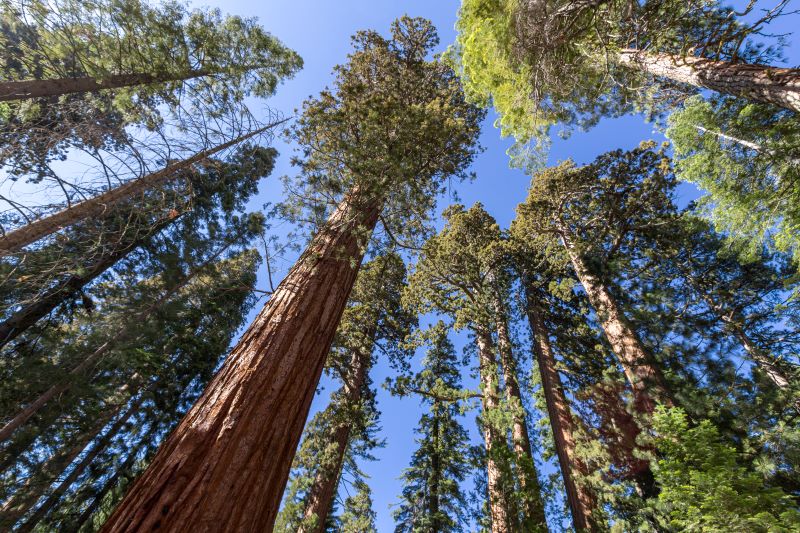
Nigeria stands at a defining moment in its environmental history. Across the country, forests that once served as vital ecosystems and sources of livelihood are disappearing at an alarming rate. This trend is not merely an environmental concern—it is a national development crisis with far-reaching consequences for food security, economic growth, public health, and climate resilience. If decisive action is not taken, future generations will inherit a landscape stripped of its natural wealth and ecological balance.
Deforestation has become one of the greatest threats to sustainable development in Nigeria and across Africa. Driven by illegal logging, agricultural expansion, urbanization, mining, and heavy reliance on fuelwood, vast stretches of forest are being cleared faster than they can regenerate. Every hectare lost weakens the country’s natural defence against climate change, increases the risks of flooding and desertification, and accelerates the extinction of countless plant and animal species.
The effects are already evident. Communities in northern Nigeria continue to grapple with advancing desertification, while many southern states experience devastating floods linked to environmental degradation. As forests disappear, fertile soils are eroded, water sources become less reliable, and biodiversity is steadily depleted. These are not distant environmental predictions—they are present-day realities affecting millions of Nigerians.
Protecting wildlife and natural habitats is therefore not a luxury reserved for conservationists; it is an economic and social necessity. Africa’s extraordinary biodiversity supports agriculture, tourism, scientific research, medicine, and the livelihoods of millions of people. Once destroyed, many ecosystems and species cannot be restored. Preserving them is both an environmental obligation and an investment in sustainable economic development.
Government alone, however, cannot win this battle. Communities must become active partners in forest conservation. Across Africa, community forestry initiatives have demonstrated that when local people are empowered to manage forests responsibly, conservation becomes more effective and sustainable. Granting communities greater participation in forest governance, alongside secure land rights and access to sustainable livelihoods, can significantly reduce illegal logging while improving rural incomes.
Tree planting must also move beyond ceremonial events to become a sustained national commitment. Nigeria needs ambitious reforestation programmes that restore degraded forests while expanding urban green spaces. Cities across the country should integrate parks, urban forests, and roadside tree planting into development plans. Such investments will improve air quality, reduce urban heat, minimise flooding, and create healthier environments for growing populations.
Equally deserving of recognition is the invaluable role of indigenous knowledge. For generations, African communities have protected forests through sacred groves, traditional conservation practices, and customary resource management systems. These time-tested approaches should not be overlooked in favour of exclusively modern solutions. Combining indigenous wisdom with scientific research offers a more inclusive and effective path to biodiversity conservation.
The responsibility now rests with policymakers, businesses, civil society, and every Nigerian citizen. Stronger enforcement against illegal logging, increased investment in renewable energy alternatives to fuelwood, environmental education in schools, and stricter protection of forests and wildlife must become national priorities. Sustainable development cannot succeed while the country’s natural capital continues to disappear.
Nigeria also has an opportunity to provide leadership across Africa. As one of the continent’s largest economies and most influential nations, its environmental policies have implications far beyond its borders. By prioritising forest conservation, promoting community-led initiatives, and investing in landscape restoration, Nigeria can help shape an African model of development that balances economic progress with environmental responsibility.
The choice before us is clear. We can continue to sacrifice forests in pursuit of short-term gains, or we can recognise that healthy ecosystems are the very foundation of lasting prosperity. Sustainable development is impossible without thriving forests and protected biodiversity.
Nigeria’s forests are more than trees—they are reservoirs of life, shields against climate change, and a legacy entrusted to this generation. Their protection demands more than promises. It requires bold leadership, sustained investment, and collective action. The time to act is now, before the forests that sustain us become only a memory.