Food security has become one of the defining challenges of the twenty-first century. Around the world, governments, farmers, researchers, and development agencies are searching for ways to feed growing populations while confronting climate change, environmental degradation, and economic uncertainty. Sustainable agriculture has emerged as the most viable pathway to achieving this goal. It seeks to increase food production while preserving natural resources, reducing environmental impact, and improving the resilience of farming systems.
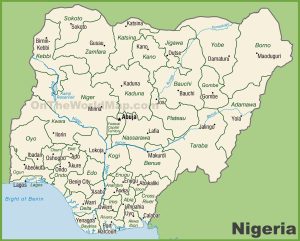
For Nigeria, Africa’s most populous nation, the stakes are particularly high. Agriculture remains a major source of livelihood for millions of people and contributes significantly to national economic development. Yet the sector faces mounting pressures from erratic rainfall, desertification, flooding, land degradation, insecurity, and post-harvest losses. As climate change intensifies, ensuring food security will depend on how effectively Nigeria embraces sustainable agricultural practices.
Climate-Smart Farming Practices
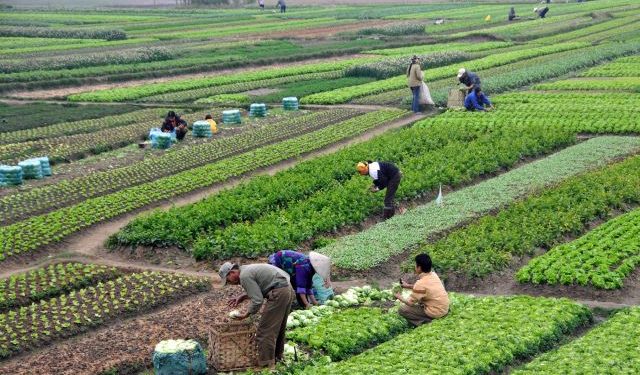
Across the world, climate-smart agriculture is becoming a central pillar of agricultural policy. Countries are investing in drought-resistant crop varieties, precision agriculture, water-efficient irrigation systems, and digital technologies that help farmers adapt to changing weather patterns. Global institutions increasingly recognize that agricultural resilience is essential for food security as climate-related disasters continue to disrupt food production.
In Nigeria, climate-smart farming offers a practical response to declining productivity caused by rising temperatures, irregular rainfall, and prolonged droughts. Research shows that climate variability is already affecting crop yields, livestock production, and rural livelihoods across the country.
Farmers can adopt several climate-smart approaches, including: Conservation agriculture that minimizes soil disturbance; Improved irrigation systems to reduce dependence on rainfall; Agroforestry practices that integrate trees with crops; Drought-tolerant and heat-resistant crop varieties; Digital weather forecasting and advisory services.
Such innovations not only increase productivity but also reduce vulnerability to climate shocks, ensuring more stable food supplies throughout the year.
Reducing Post-Harvest Losses
One of the greatest obstacles to food security in Nigeria is not necessarily low production but the enormous quantity of food lost after harvest. Globally, reducing post-harvest losses has become a priority because food that never reaches consumers represents wasted land, water, energy, and labour.
Nigeria continues to lose substantial amounts of agricultural produce due to poor storage facilities, weak transportation networks, inadequate processing capacity, and insufficient cold-chain infrastructure. Recent estimates indicate that the country loses between 30 and 40 million metric tonnes of food annually, translating into economic losses worth trillions of naira.
Addressing this challenge requires: Investment in modern storage facilities; Expansion of refrigerated transportation systems; Development of agro-processing zones; Improved rural road networks; Better market access for farmers.
Global trends show increasing investment in cold-chain logistics and food processing to preserve agricultural produce and strengthen food value chains. Similar investments in Nigeria could significantly improve food availability while increasing farmer incomes.
Organic Farming and Soil Conservation
The global demand for organically produced food continues to grow as consumers become more concerned about environmental sustainability, food safety, and health. Organic farming emphasizes natural inputs, biodiversity, and ecological balance while reducing dependence on synthetic chemicals.
For Nigeria, organic farming presents an opportunity to restore degraded soils and improve long-term agricultural productivity. Years of intensive cultivation, erosion, and unsustainable land-use practices have reduced soil fertility in many farming communities.
Soil conservation techniques such as: Crop rotation; Cover cropping; Compost application; Mulching; Integrated nutrient management, and Agroforestry, can improve soil health while enhancing crop yields. Healthy soils store more carbon, retain more water, and help farmers withstand drought conditions.
Globally, sustainable soil management is increasingly viewed as a critical strategy for both climate adaptation and food security. By protecting its soil resources, Nigeria can secure agricultural productivity for future generations.
Urban Agriculture and Home Gardening
Rapid urbanization is transforming food systems worldwide. As cities expand, urban agriculture is emerging as an innovative solution to improve food access, reduce transportation costs, and promote environmental sustainability.
Cities around the world are embracing rooftop gardens, vertical farms, hydroponics, community gardens, and household food production systems. Technological advancements in controlled-environment agriculture and soilless farming are making urban food production more efficient and productive.
In Nigeria, where urban populations continue to grow rapidly, urban agriculture offers several benefits: Improved household nutrition; Reduced food expenditure; Increased access to fresh vegetables and fruits; Employment opportunities for urban youth; Greener and more resilient cities.
Home gardens, school gardens, and community farming projects can help supplement household food supplies while promoting awareness of sustainable food production. In cities such as Lagos, Abuja, Port Harcourt, and Kano, urban agriculture could become an important component of local food systems.
Food Security in a Changing Climate
Food security exists when all people have access to sufficient, safe, and nutritious food at all times. However, climate change is increasingly threatening this goal worldwide. Rising temperatures, flooding, droughts, and extreme weather events are disrupting agricultural production and food supply chains. Global evidence suggests that climate-related hazards are reducing agricultural productivity and increasing pressure on food systems.
Nigeria is particularly vulnerable. Water scarcity in northern regions, changing rainfall patterns, land degradation, and insecurity continue to affect agricultural output and food availability. Millions of Nigerians remain vulnerable to food insecurity as these challenges intensify.
To strengthen food security, Nigeria must pursue a comprehensive strategy that includes: Climate-resilient agriculture; Investment in rural infrastructure; Agricultural research and innovation; Improved access to finance for farmers; Digital agricultural technologies; Sustainable water management; Stronger food distribution systems.
The future of food security will depend not only on increasing production but also on building resilient food systems capable of withstanding climate and economic shocks.
Conclusion
Sustainable agriculture is no longer an option; it is a necessity. Around the world, countries are adopting climate-smart technologies, reducing food waste, restoring degraded ecosystems, and promoting innovative food production systems to safeguard future food supplies. Nigeria must accelerate its transition toward sustainable agricultural practices if it hopes to achieve long-term food security.
By embracing climate-smart farming, reducing post-harvest losses, promoting organic agriculture, encouraging urban farming, and strengthening resilience against climate change, Nigeria can transform its agricultural sector into a driver of economic growth, environmental sustainability, and national food security. The challenge is significant, but so too is the opportunity. The decisions made today will determine whether future generations inherit a food-secure and environmentally sustainable Nigeria.