Turning the Tide on Plastic Pollution and Waste
Across the world, waste management has become one of the defining environmental challenges of the 21st century. From the streets of major cities to the shores of oceans, plastic pollution continues to threaten ecosystems, public health, and economic development. As nations work towards sustainable development goals and climate commitments, global expectations are increasingly focused on responsible waste management, recycling, and the transition to a circular economy. For Nigeria, Africa’s largest economy and most populous nation, the challenge is immense—but so too is the opportunity.
Plastic Pollution in Communities
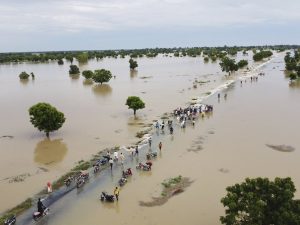
Plastic waste has become a common feature in many Nigerian communities. Drainage channels clogged with discarded plastic bottles, sachet water packaging, food containers, and shopping bags contribute to flooding during the rainy season. Rivers and waterways carry large quantities of plastic waste into the Atlantic Ocean, adding to the global crisis of marine pollution.
This problem is not unique to Nigeria. The United Nations estimates that millions of tonnes of plastic enter the environment annually, threatening biodiversity and food systems. However, Nigeria’s rapid urbanisation, growing population, and inadequate waste collection infrastructure have intensified the challenge. Communities in Lagos, Port Harcourt, Kano, Abuja, and many other cities are increasingly experiencing the environmental and social consequences of unmanaged plastic waste.
Global expectations are clear: countries must reduce plastic leakage into the environment through stronger regulations, improved waste collection systems, public awareness campaigns, and investment in recycling infrastructure. Nigeria cannot afford to remain on the sidelines of this global movement.
Household Waste Separation and Recycling
One of the most effective strategies for improving waste management is household waste separation. In many developed countries, residents separate waste into categories such as plastics, paper, glass, metals, and organic materials before disposal. This practice significantly improves recycling rates and reduces the amount of waste sent to landfills.
In Nigeria, household waste is often mixed together, making recycling more difficult and expensive. Yet the potential benefits of waste separation are substantial. Segregating waste at source would allow recyclable materials to be recovered more efficiently while organic waste could be converted into compost for agriculture.
Government agencies, schools, community associations, and environmental organisations must intensify public education efforts to promote waste sorting. Incentives such as recycling collection points, reward schemes, and community recycling centres can encourage citizens to participate actively. The responsibility for cleaner communities should not rest solely on government authorities; households must become partners in the process.
Open Dumping and Its Health Impacts
Open dumping remains a widespread waste disposal method in many parts of Nigeria. Unregulated dumpsites often attract rodents, insects, and disease vectors while contaminating soil and water sources. In some communities, waste is routinely burned in open spaces, releasing toxic pollutants into the atmosphere.
The health implications are severe. Exposure to polluted air from burning waste can contribute to respiratory illnesses, while contaminated water sources increase the risk of waterborne diseases. Children and vulnerable populations are often the most affected.
Globally, there is increasing pressure on governments to eliminate unsafe dumping practices and adopt environmentally sound waste management systems. Nigeria’s environmental authorities must strengthen enforcement of waste regulations while investing in sanitary landfills, waste treatment facilities, and modern collection systems. Public health and environmental protection must be treated as inseparable priorities.
Community-Led Waste Collection Initiatives
Despite institutional challenges, inspiring examples of community-led waste management initiatives are emerging across Nigeria. Youth groups, environmental NGOs, resident associations, and social enterprises are organising clean-up campaigns, recycling drives, and neighbourhood collection programmes.
These grassroots efforts demonstrate that local action can produce meaningful results. Communities that take ownership of waste management often experience cleaner environments, reduced flooding, and improved public awareness. Such initiatives also foster civic responsibility and environmental stewardship among residents.
Government support can significantly amplify these efforts. Partnerships between local authorities and community organisations can expand collection networks, provide equipment, and create sustainable systems for waste recovery. The success of environmental programmes depends not only on policy but also on citizen participation.
Opportunities in the Recycling Economy
Perhaps the most promising aspect of the waste management challenge is the economic opportunity it presents. Around the world, recycling has evolved into a major industry that creates jobs, generates income, and conserves natural resources. The global shift towards a circular economy is transforming waste from a burden into a valuable resource.
Nigeria stands to benefit enormously from this transition. Plastic recycling, paper recovery, metal processing, organic composting, and waste-to-energy projects offer significant investment opportunities. Thousands of jobs can be created across collection, sorting, processing, manufacturing, and logistics value chains.
Already, a growing number of Nigerian entrepreneurs are building businesses around recycling and resource recovery. With the right policies, financing mechanisms, and infrastructure, the sector could become a major contributor to economic diversification and green growth.
International investors and development partners are increasingly interested in supporting sustainable waste management projects. Nigeria must position itself to attract these investments by creating an enabling environment for innovation and private-sector participation.
A Call to Action
The global community expects nations to take decisive action against pollution and environmental degradation. Nigeria, with its economic influence and demographic strength, has a critical role to play. Effective waste management is no longer merely an environmental issue; it is a public health necessity, an economic opportunity, and a measure of national development.
The path forward requires coordinated action from government, businesses, communities, and individuals. By reducing plastic pollution, promoting household waste separation, eliminating open dumping, supporting community-led initiatives, and investing in the recycling economy, Nigeria can transform a growing environmental challenge into a powerful engine for sustainable development.
The question is no longer whether Nigeria should act, but how quickly it can mobilise the collective will to build a cleaner, healthier, and more prosperous future for generations to come.