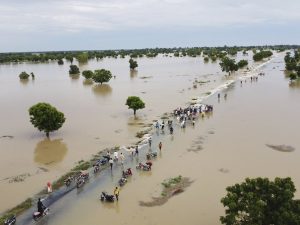
As Nigeria advances toward 2030, the choices we make today will determine the quality of life we leave for future generations. The growing effects of climate change, rapid urbanization, environmental degradation, and unemployment demand more than promises—they require bold, practical, and sustainable action. Environmental sustainability must no longer be viewed as a secondary concern; it should become the foundation of national development.
Nigeria’s cities are expanding at an unprecedented pace. Yet with this growth comes worsening traffic congestion, poor air quality, flooding, inadequate waste management, and overstretched public infrastructure. If left unchecked, these challenges will undermine economic progress and threaten public health. The vision for 2030 must therefore be one of cities that are not only economically vibrant but also environmentally resilient, inclusive, and livable.
A modern and efficient public transportation system is central to that vision. Reliable buses, rail networks, water transport, and cleaner mobility solutions can significantly reduce traffic congestion and carbon emissions while making transportation affordable for millions of Nigerians. Investment in electric buses, compressed natural gas (CNG) vehicles, and integrated transport systems should be accelerated to reduce dependence on private vehicles and fossil fuels.
Equally important is designing cities for people rather than automobiles. Safe sidewalks, pedestrian walkways, bicycle lanes, and accessible public spaces encourage walking and cycling—transport options that improve public health, reduce pollution, and strengthen community life. Nigerian cities should embrace urban planning that puts citizens first and recognizes that sustainable mobility is essential to economic productivity and environmental protection.
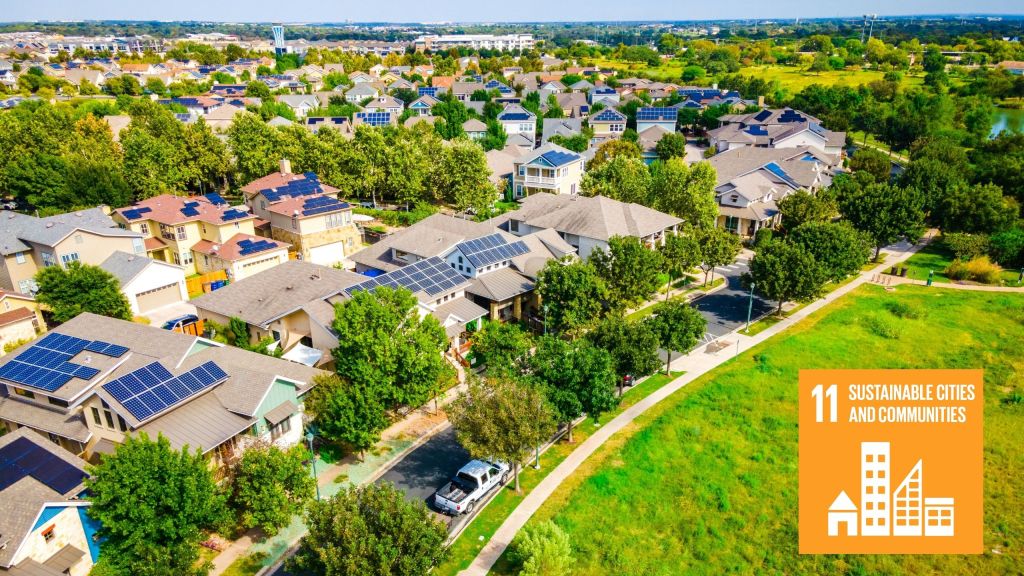
Urban development must also prioritize green infrastructure. Parks, urban forests, wetlands, tree-lined streets, and green open spaces are not luxuries; they are essential investments that improve air quality, reduce urban heat, mitigate flooding, and enhance the well-being of residents. As cities continue to expand, environmental considerations must become integral to every stage of planning and infrastructure development.
Reducing traffic-related emissions is another pressing priority. Thousands of vehicles spend hours in daily gridlock, consuming fuel, polluting the air, and reducing productivity. Stronger vehicle emission standards, cleaner fuels, greater adoption of electric mobility, and intelligent traffic management systems can significantly reduce pollution while creating healthier urban environments.
The future also belongs to smart cities that harness technology to improve public services and environmental management. Digital systems for traffic control, waste collection, energy management, water conservation, and environmental monitoring can make cities more efficient, transparent, and resilient. Smart technology, when combined with sound governance, offers Nigeria an opportunity to leapfrog traditional development challenges.
However, no sustainability agenda can succeed without investing in the country’s greatest asset—its young people. Nigeria’s youthful population represents an enormous opportunity to drive innovation and green economic growth. Around the world, the transition to a low-carbon economy is creating millions of jobs in renewable energy, recycling, sustainable agriculture, green construction, environmental consulting, and climate technology. Nigeria must position its youth to seize these opportunities.
Green entrepreneurship should become a national priority. Young innovators are already developing solutions in clean energy, waste recycling, climate-smart agriculture, water purification, and environmental technology. With greater access to finance, mentorship, technical training, and supportive government policies, these innovators can build businesses that protect the environment while generating employment and wealth.
The circular economy presents another promising frontier. Rather than treating waste as a burden, Nigeria should view it as an economic resource. Plastic waste, electronic waste, agricultural residues, and other discarded materials can be recycled and transformed into valuable products, creating new industries while reducing environmental pollution. Supporting businesses that embrace recycling, reuse, and sustainable manufacturing will strengthen both the economy and environmental conservation.
Education remains the cornerstone of this transformation. Schools, universities, and vocational institutions must equip young Nigerians with the knowledge and practical skills required for the emerging green economy. Renewable energy technologies, environmental management, climate science, sustainable agriculture, and green entrepreneurship should become integral components of education and workforce development.
The journey to 2030 cannot be left to government alone. The private sector must invest in sustainable innovation. Educational institutions must produce graduates equipped for green careers. Communities must embrace environmentally responsible practices. Citizens must recognize that protecting the environment begins with everyday choices—from responsible waste disposal to energy conservation and the use of sustainable transportation.
Environmental sustainability is not an obstacle to economic growth; it is the pathway to long-term prosperity. Nations that invest today in green infrastructure, clean transportation, renewable energy, and environmental innovation will enjoy healthier populations, stronger economies, and greater resilience against future challenges.
As Nigeria looks toward 2030, the nation must choose between continuing on an unsustainable path or embracing a future built on innovation, responsibility, and resilience. The opportunity is before us. The technology exists. The youthful talent is abundant. What is required now is visionary leadership, sustained investment, and collective action.
The future will not wait. Neither should Nigeria.