As Nigeria intensifies efforts to diversify its economy beyond crude oil, the solid minerals sector has emerged as a critical pillar of the country’s economic transformation agenda. With vast deposits of gold, lithium, tin, limestone, coal, and other strategic minerals, Nigeria is well positioned to become a leading player in Africa’s mining industry. The Federal Government has, in recent years, demonstrated renewed commitment to repositioning the sector through policy reforms, improved regulatory frameworks, strengthened enforcement, and increased investment promotion.
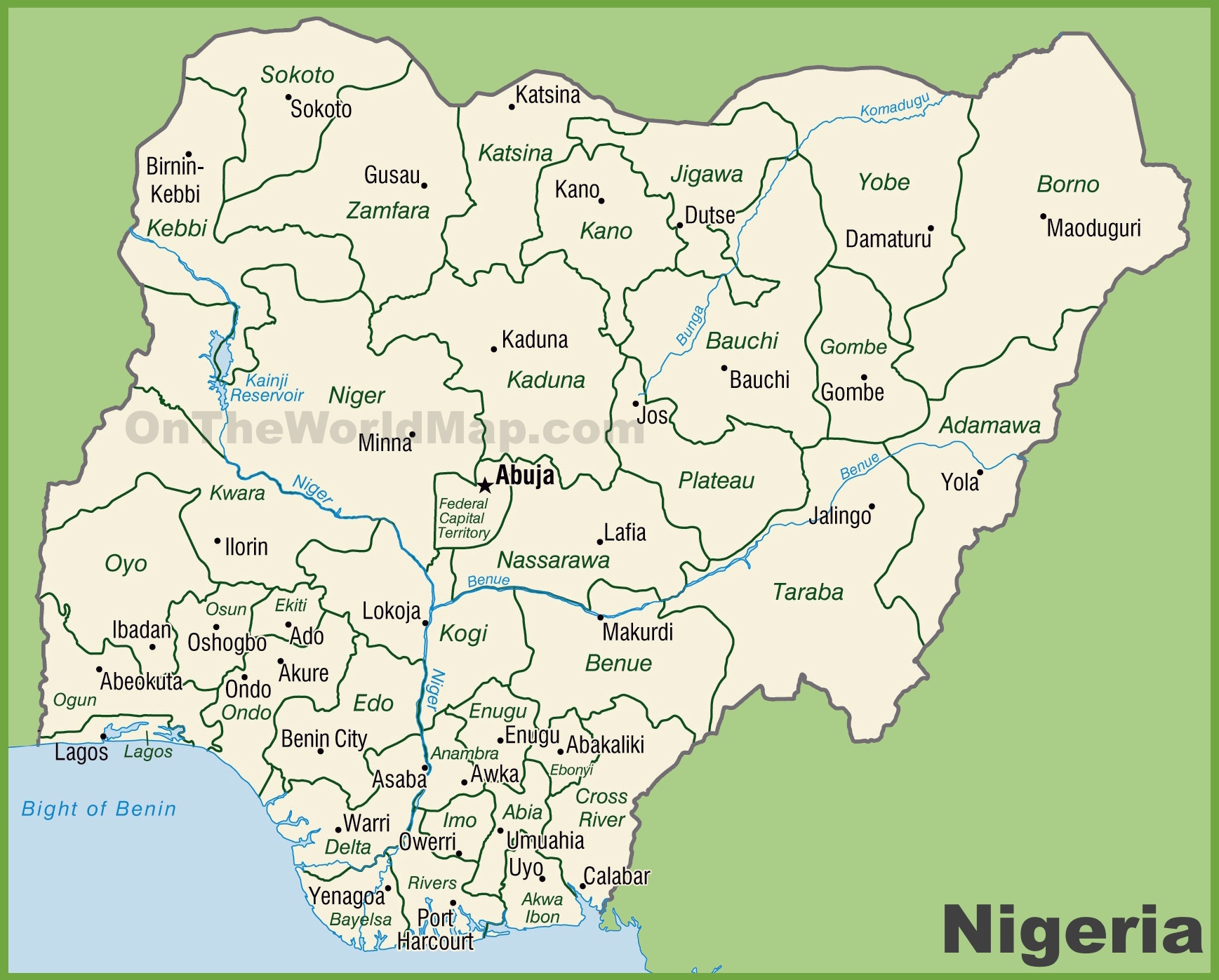
However, despite these commendable efforts, illegal mining continues to pose significant environmental, economic, and security challenges that require sustained national attention. Across several mineral-producing states, including Zamfara, Plateau, Niger, Osun, Nasarawa, and Kaduna, illegal mining activities continue to threaten ecosystems, public health, and the long-term sustainability of Nigeria’s natural resources.
The environmental consequences remain profound. Illegal mining often involves indiscriminate clearing of forests, excavation of fertile farmlands, and abandonment of open pits without land reclamation. These activities contribute to deforestation, soil erosion, biodiversity loss, and land degradation, reducing the productivity of agricultural communities and increasing vulnerability to flooding and desertification. As environmental degradation intensifies, rural livelihoods become increasingly vulnerable, particularly in communities that depend on farming and natural resources for survival.
Water pollution is another major concern. In many artisanal mining communities, hazardous substances such as mercury are used during mineral processing without adequate environmental safeguards. The contamination of rivers, streams, and groundwater threatens drinking water supplies, aquatic ecosystems, and public health. The tragic lead poisoning incident in Zamfara State remains a painful reminder of the devastating consequences that can arise when mining activities are conducted outside established environmental and safety standards.
Illegal mining also imposes considerable economic costs on the nation. Revenue losses through unregulated mineral extraction, tax evasion, and illicit exports deprive government of resources that could otherwise be invested in education, healthcare, infrastructure, environmental restoration, and social development. Furthermore, environmental degradation resulting from illegal mining diminishes agricultural productivity and undermines food security, particularly in rural communities.
Beyond environmental and economic concerns, illegal mining has increasingly become intertwined with broader security challenges. In some locations, criminal elements exploit illegal mining activities to finance unlawful operations, creating additional governance and security pressures. Addressing these challenges therefore requires a comprehensive approach that combines environmental protection with effective law enforcement and community engagement.
It is important to recognise that the Federal Government has taken meaningful steps to confront these challenges. Recent initiatives aimed at reforming the mining sector, strengthening regulatory oversight, deploying specialised mining marshals to combat illegal operations, improving licensing systems, and promoting responsible investment demonstrate a growing commitment to sanitising the industry. Efforts to formalise artisanal and small-scale mining, enhance geological data, and encourage value addition within the mineral value chain also represent positive developments that deserve recognition.
These initiatives provide a strong foundation, but their long-term success depends on consistent implementation, adequate funding, and broad stakeholder collaboration. Government agencies responsible for mining regulation, environmental protection, security, and revenue administration must continue to strengthen inter-agency coordination to ensure that illegal mining networks are effectively dismantled while legitimate investors are encouraged to operate within the law.
Equally important is the need to support artisanal and small-scale miners through formalisation rather than exclusion. Many operators engage in informal mining due to limited access to finance, technical knowledge, and licensing opportunities. Simplifying licensing procedures, providing technical training, improving access to safer mining technologies, and expanding environmental education will help integrate these miners into the formal economy while significantly reducing environmental risks.
Environmental restoration should also remain a national priority. Reforestation, land reclamation, proper closure of abandoned mine sites, and enforcement of mine rehabilitation obligations are essential for restoring degraded ecosystems. Applying the internationally recognised “polluter pays” principle will further ensure that environmental responsibility becomes an integral part of mining operations.
Modern technology can significantly enhance monitoring and compliance. The use of satellite imagery, drones, Geographic Information Systems (GIS), digital cadastral systems, and mineral traceability mechanisms can strengthen oversight, improve transparency, and reduce opportunities for illegal extraction and mineral smuggling. Continued investment in these technologies will complement ongoing government reforms and improve regulatory effectiveness.
Communities also have an indispensable role to play. Traditional rulers, community leaders, civil society organisations, youth groups, academic institutions, and the media should work alongside government to promote environmental stewardship and report illegal activities. Sustainable management of mineral resources requires a shared sense of responsibility among all stakeholders.
Ultimately, the issue of illegal mining extends beyond environmental degradation. It is fundamentally about sustainable development, responsible governance, and safeguarding Nigeria’s natural heritage for future generations. Economic growth should never come at the expense of environmental integrity or the well-being of communities. Responsible mining demonstrates that economic prosperity and environmental protection can—and must—coexist.
Nigeria possesses the natural resources, institutional capacity, and policy direction needed to transform its mining sector into a major driver of inclusive economic growth. The progress already made by the Federal Government in reforming the industry provides reasons for optimism. What is now required is sustained commitment, stronger partnerships, effective enforcement, and active citizen participation to ensure that these reforms achieve their intended outcomes.
The future of Nigeria’s mining sector will not be determined solely by the quantity of minerals extracted but by how responsibly those resources are managed. By building on ongoing government initiatives, strengthening environmental governance, and embracing sustainable mining practices, Nigeria can protect its environment, attract responsible investment, create decent jobs, and secure lasting prosperity for present and future generations.