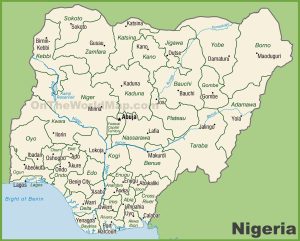
Nigeria’s environmental crisis is no longer a distant threat—it is a daily reality. From devastating floods that displace thousands in Lagos and other cities to the advancing desert in the North, from the oil-polluted creeks of the Niger Delta to shrinking forests across the country, the warning signs are unmistakable. While governments continue to introduce policies, agencies develop action plans, and international partners provide funding, one powerful solution remains largely ignored: the indigenous knowledge of Nigeria’s communities.
For centuries, before environmental conservation became a global movement, Nigerian communities lived by principles that promoted sustainable use of natural resources. Traditional rulers, village councils, and community elders established rules that protected forests, regulated fishing seasons, preserved sacred groves, and encouraged responsible farming. These customs were not merely cultural practices; they were effective environmental management systems that balanced human needs with nature’s capacity to regenerate.
Sadly, modernization and rapid urbanization have pushed many of these traditions to the margins. As Nigeria embraced centralized governance and commercial exploitation of natural resources, indigenous conservation practices were often dismissed as outdated or unscientific. The result has been widespread environmental degradation that threatens livelihoods, food security, and national development.
The Niger Delta provides a painful example. Decades of oil exploration and repeated spills have devastated farmlands, rivers, and mangrove forests that once sustained millions of people. Local communities, who possess intimate knowledge of these fragile ecosystems, are too often excluded from decisions affecting their environment. Conservation efforts cannot succeed when those who know the land best are treated as spectators rather than partners.
Northern Nigeria presents another pressing concern. Desertification continues to consume productive land, reducing agricultural output and worsening poverty. Yet many rural communities have long practised agroforestry, soil conservation, water harvesting, and controlled grazing techniques that help protect the land from degradation. These local solutions deserve greater recognition and support within national environmental policies.
Similarly, recurring floods in Lagos, Port Harcourt, Benin City, and other urban centres cannot be addressed through engineering projects alone. Community knowledge about natural waterways, wetlands, and traditional floodplains should inform urban planning. Ignoring local realities has often resulted in infrastructure that fails to solve the very problems it was designed to address.
Nigeria must abandon the false choice between science and tradition. Indigenous knowledge and modern scientific research are not competitors; they are complementary. Scientific innovation provides new tools and technologies, while indigenous knowledge offers generations of practical experience rooted in local ecosystems. Bringing both together will produce environmental solutions that are not only technically effective but also socially accepted and sustainable.
The responsibility for this shift rests with every stakeholder. Governments should incorporate indigenous knowledge into environmental policies and climate adaptation strategies. Research institutions and universities should document traditional ecological practices before they disappear with older generations. Schools should teach young Nigerians that environmental stewardship is deeply rooted in the nation’s cultural heritage. Development partners and private companies should engage local communities as equal participants in conservation efforts rather than limiting their role to consultation after decisions have already been made.
Environmental conservation is ultimately about people. Policies imposed without community ownership rarely succeed, but those built on local participation are more likely to endure. Nigerians who depend directly on forests, rivers, wetlands, and grazing lands understand the consequences of environmental degradation better than anyone else. Their knowledge should not be overlooked simply because it is transmitted through oral tradition instead of academic journals.
As climate change intensifies and environmental challenges become more complex, Nigeria cannot afford to ignore any resource that can contribute to sustainable development. Indigenous knowledge is one such resource—tested over generations, adapted to local conditions, and capable of complementing modern environmental science.
The path to a greener Nigeria does not lie solely in imported solutions or international agreements. It also lies in respecting the wisdom that has existed within our communities for centuries. If Nigeria is serious about protecting its environment and securing a sustainable future, it must place indigenous knowledge where it belongs: at the heart of environmental conservation.