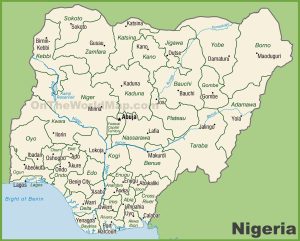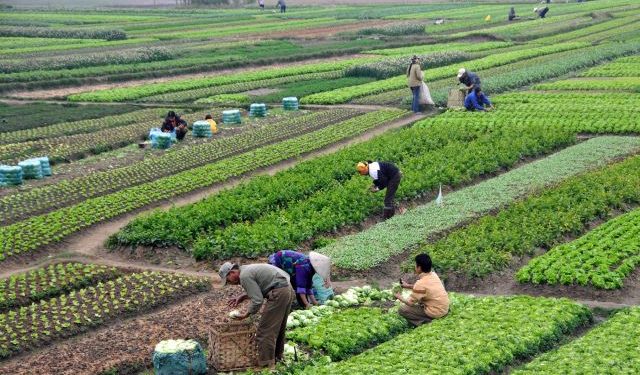
Food security is fast becoming one of Nigeria’s greatest national challenges. Once viewed largely as an agricultural issue, it has evolved into a matter of economic stability, environmental sustainability and national security. As climate change continues to reshape weather patterns, agricultural productivity is under increasing pressure, threatening the livelihoods of millions of Nigerians and the country’s ability to feed its growing population.
Across the country, the signs are unmistakable. Prolonged droughts are reducing harvests in the northern states, while devastating floods continue to wash away farmlands in the South and Middle Belt. Rising temperatures, unpredictable rainfall and land degradation have combined to make farming more difficult than ever. For a nation where agriculture remains the main source of livelihood for millions and contributes significantly to the economy, these changes should be a source of serious concern.
The consequences are already evident. Food prices continue to rise, placing basic staples beyond the reach of many households. Farmers are recording lower yields, livestock owners are battling shrinking grazing lands and water shortages, while fishing communities face declining catches due to changing aquatic ecosystems. Climate change is no longer a distant environmental issue; it is affecting what Nigerians eat, how much they pay for food and the security of rural communities.
The challenge extends beyond food production. Competition over dwindling natural resources has intensified conflicts between farmers and herders in several parts of the country. Floods and droughts have displaced farming communities, disrupted supply chains and increased dependence on food imports. If these trends continue unchecked, Nigeria’s ambition of achieving food self-sufficiency will remain elusive.
Yet the country has the resources and expertise to reverse the trend.
The starting point must be climate-smart agriculture. Farmers need support to adopt sustainable practices such as improved soil management, agroforestry, crop rotation and efficient water conservation techniques. These methods not only improve productivity but also help protect the environment and strengthen resilience against climate shocks.
Equally important is investment in irrigation. Despite possessing vast water resources, Nigeria still depends heavily on rain-fed agriculture. Expanding irrigation infrastructure would reduce vulnerability to erratic rainfall, encourage year-round farming and significantly boost food production. Solar-powered irrigation systems and community-based water projects can make a meaningful difference, particularly for smallholder farmers who produce most of the nation’s food.
Research institutions have also developed drought-tolerant and flood-resistant crop varieties capable of withstanding changing weather conditions. However, many farmers lack access to these improved seeds due to weak extension services and limited distribution networks. Bridging this gap should be a priority if Nigeria is to build a more resilient agricultural sector.
Technology offers another opportunity. Weather forecasting services, digital advisory platforms and precision farming tools can help farmers make better decisions about planting, irrigation and harvesting. Combined with access to affordable finance and agricultural insurance, these innovations can reduce risks and encourage greater investment in farming.
Government cannot achieve these goals alone. The private sector must increase investment in agricultural value chains, storage facilities, renewable energy, agro-processing and rural infrastructure. Financial institutions should develop products tailored to the needs of farmers, while development partners can provide technical support and climate financing for sustainable agricultural projects.
Environmental sustainability must also remain at the heart of national agricultural policy. Deforestation, bush burning, indiscriminate tree felling and poor land management continue to worsen the effects of climate change. Protecting forests, restoring degraded land and promoting responsible use of natural resources are essential not only for environmental conservation but also for long-term food security.
The Federal Government’s renewed emphasis on agricultural reforms is encouraging, but policy pronouncements must translate into measurable results on farms and in local communities. Budgetary allocations to agriculture should be matched by effective implementation, transparency and accountability. Farmers need timely access to improved inputs, credit, extension services and markets if productivity is to improve.
Nigeria’s growing population demands bold and forward-looking policies. Food security can no longer depend on favourable weather alone. It requires deliberate investment in climate resilience, sustainable agriculture and environmental protection. Every season lost to floods or drought pushes the country further away from achieving stable food supplies and affordable prices.
The message is clear. Climate change is redefining agriculture, and Nigeria must respond with urgency. Building a resilient food system is not simply about increasing harvests; it is about safeguarding livelihoods, strengthening the economy, protecting the environment and ensuring that every Nigerian has access to safe, sufficient and nutritious food.
The time for incremental action has passed. Nigeria must invest today in climate-resilient agriculture because the future of its food security depends on the decisions made now.