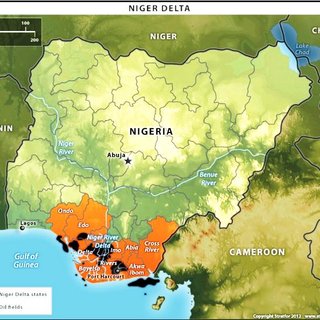
Nigeria cannot claim to be on the path to sustainable development while millions of its citizens continue to suffer from environmental injustice. From the oil-polluted communities of the Niger Delta to flood-ravaged towns and cities, and from mountains of uncollected waste to shrinking forests, the evidence is clear: environmental degradation has become a national emergency. Addressing these challenges demands more than government promises—it requires environmental justice, active community participation, and collective responsibility.
Environmental justice means that every Nigerian, regardless of income, gender, or location, has the right to live in a safe and healthy environment. Sadly, this right remains out of reach for many. Vulnerable communities continue to bear the greatest burden of pollution, climate change, and environmental neglect. Oil spills contaminate rivers and farmland, industrial emissions pollute the air, and poor waste management exposes communities to preventable diseases. Those who contribute the least to environmental degradation often suffer its worst consequences.
This situation raises a fundamental question: how can Nigeria achieve sustainable development while ignoring the environmental rights of its people? The answer is simple—it cannot. Sustainable development is built on fairness, accountability, and the protection of both people and the environment. Environmental rights are not privileges reserved for a few; they are basic human rights that must be respected and protected.
However, rights come with responsibilities. Every Nigerian has a role to play in safeguarding the environment. Citizens must embrace proper waste disposal, avoid practices that pollute land and water, conserve natural resources, and support efforts to combat climate change. Likewise, industries must comply with environmental regulations rather than prioritising profit over public health. Government agencies must enforce environmental laws without fear or favour.
Community participation is equally essential. Too often, major environmental decisions are taken without consulting the people who will live with the consequences. Whether it is oil exploration, mining, urban development, or waste disposal projects, affected communities deserve a meaningful voice in decision-making. Local residents understand their environment better than anyone else, and their knowledge can help prevent conflicts, improve project outcomes, and promote sustainable solutions. Development imposed without consultation is rarely sustainable.
Another issue that deserves urgent attention is the unequal impact of environmental degradation on women. Across Nigeria, women are central to farming, water collection, food production, and family health. When rivers are polluted, forests disappear, or drought reduces agricultural productivity, women often shoulder the heaviest burden. Yet they remain underrepresented in environmental policymaking. Nigeria cannot achieve environmental sustainability without ensuring that women are fully involved in planning, leadership, and climate adaptation initiatives.
The growing role of citizen monitoring and advocacy offers hope. Technology has empowered ordinary Nigerians to document oil spills, illegal logging, flooding, open dumping, and other environmental violations. Civil society organisations, journalists, youth groups, and community associations are increasingly demanding transparency and accountability from both government and private companies. Their efforts demonstrate that environmental protection is not the responsibility of government alone; it is a shared national duty.
Nigeria’s commitment to the Sustainable Development Goals (SDGs) will be judged not only by policy documents but by measurable improvements in the lives of its people. Progress towards good health, clean water, sustainable cities, climate action, gender equality, and life on land cannot be achieved if environmental injustice persists. A polluted environment weakens public health, undermines food security, fuels poverty, and slows economic development.
The time for half measures has passed. Governments at all levels must strengthen environmental enforcement, invest in clean energy and waste management, protect forests and water resources, and ensure that communities participate fully in environmental decisions. Companies must be held accountable for pollution and environmental damage, while citizens must recognise that everyday actions—from reducing waste to planting trees—contribute to a healthier nation.
Nigeria stands at a crossroads. One path leads to continued environmental degradation, worsening inequality, and missed development opportunities. The other leads to justice, sustainability, and shared prosperity. Choosing the latter requires political will, responsible corporate behaviour, informed citizens, and empowered communities.
Environmental justice is not merely an environmental issue; it is a national development imperative. If Nigeria is serious about building a sustainable future and fulfilling the Sustainable Development Goals, then protecting the environment and giving communities a meaningful voice must become national priorities. The health of the nation, the well-being of its people, and the future of generations yet unborn depend on the choices made today.