

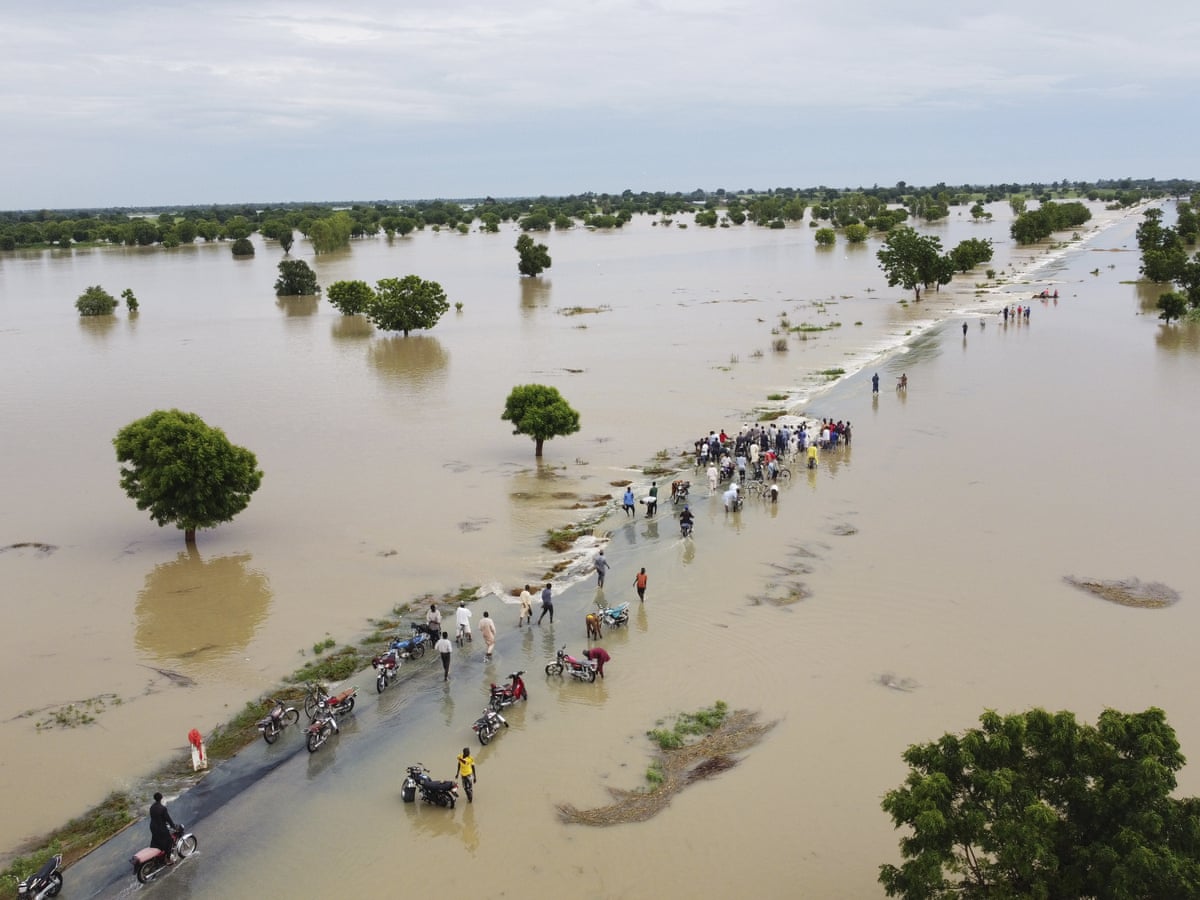
Flooding has become one of the most persistent environmental challenges facing Nigerian cities today. From Lagos to Port Harcourt, Ibadan to Kano, seasonal floods continue to destroy homes, disrupt economic activities, displace residents, and claim lives. As urban populations grow and climate patterns become increasingly unpredictable, the need for urban resilience has never been more urgent. Building cities that can withstand and recover from flooding requires a combination of effective planning, responsible citizenship, and proactive government action.
Causes of Recurring Floods in Nigerian Cities
Several factors contribute to the frequent occurrence of floods across Nigeria’s urban centres. Rapid urbanization has led to the expansion of settlements into flood-prone areas, wetlands, and natural waterways. In many cities, buildings are constructed without proper regard for drainage systems or environmental regulations, obstructing the natural flow of water.
Poor waste management is another major cause. Drains and canals are often clogged with plastic waste, refuse, and other debris, preventing stormwater from flowing freely during heavy rainfall. The result is overflowing drainage channels and widespread flooding in residential and commercial areas.
In addition, inadequate urban planning and aging infrastructure have left many cities ill-equipped to handle increasing volumes of rainfall. As populations expand, existing drainage networks become overwhelmed, exposing communities to repeated flood disasters.
Drainage Maintenance and Community Responsibility
While governments bear the primary responsibility for providing and maintaining drainage infrastructure, residents also have a vital role to play. Community negligence, especially the indiscriminate disposal of waste into gutters and waterways, significantly contributes to urban flooding.
Regular clearing of drains, proper waste disposal, and participation in community sanitation programmes can help reduce the blockage of drainage systems. Residents should also report damaged drainage facilities and illegal structures that obstruct water channels. Environmental sustainability cannot be achieved through government efforts alone; it requires active cooperation between authorities and citizens.
Public awareness campaigns can further educate communities about the consequences of poor environmental practices and encourage collective responsibility for maintaining clean and functional drainage systems.
Climate Change and Extreme Weather Events
Climate change has intensified the frequency and severity of extreme weather events around the world, and Nigeria is no exception. Rising global temperatures have altered rainfall patterns, leading to heavier and more unpredictable downpours. These intense rainfall events often exceed the capacity of existing drainage systems, resulting in flash floods and prolonged inundation.
Coastal cities such as Lagos face additional threats from rising sea levels and storm surges, which increase the risk of flooding in low-lying areas. As climate change continues to accelerate, urban centres must prepare for more frequent and severe flood events.
Addressing climate-related flooding requires both mitigation and adaptation strategies. Reducing greenhouse gas emissions remains important, but cities must also invest in infrastructure and policies that help communities adapt to changing environmental conditions.
Building Flood-Resilient Communities
Urban resilience refers to the ability of cities and communities to anticipate, withstand, adapt to, and recover from disasters. Building flood-resilient communities begins with effective urban planning and strict enforcement of environmental regulations.
Governments should prioritize the construction and maintenance of modern drainage systems, flood retention basins, and green infrastructure such as parks, wetlands, and permeable surfaces that absorb excess rainwater. Land-use planning must prevent development in flood-prone areas while ensuring that existing vulnerable communities receive adequate protection.
Community resilience also depends on social preparedness. Residents should understand flood risks, know evacuation routes, and have access to emergency resources when disasters occur. Schools, religious institutions, and community organizations can serve as important centres for public education and disaster awareness.
Investment in resilient housing, improved infrastructure, and environmental conservation will help reduce the long-term impact of flooding on lives and livelihoods.
Early Warning Systems and Disaster Preparedness
Effective early warning systems are essential for reducing flood-related casualties and property damage. Accurate weather forecasting, real-time monitoring of rainfall and river levels, and timely communication of risk information enable communities to prepare before disasters strike.
Government agencies should strengthen collaboration with meteorological services, emergency management organizations, and local authorities to ensure that warnings reach vulnerable populations quickly. Modern communication technologies, including mobile phone alerts, radio broadcasts, social media platforms, and community networks, can significantly improve public response during emergencies.
Disaster preparedness should also include regular emergency drills, evacuation planning, and the establishment of temporary shelters for displaced residents. Prepared communities are better able to respond to emergencies and recover more quickly after flood events.
Conclusion
Flooding remains a major threat to sustainable urban development in Nigeria. Its causes range from poor drainage maintenance and rapid urbanization to the growing effects of climate change. However, the challenge is not insurmountable. Through responsible environmental practices, improved infrastructure, effective urban planning, strong early warning systems, and active community participation, Nigerian cities can become more resilient to floods. Building flood-resilient communities is not merely an environmental necessity; it is an investment in public safety, economic stability, and a sustainable future for generations to come.

