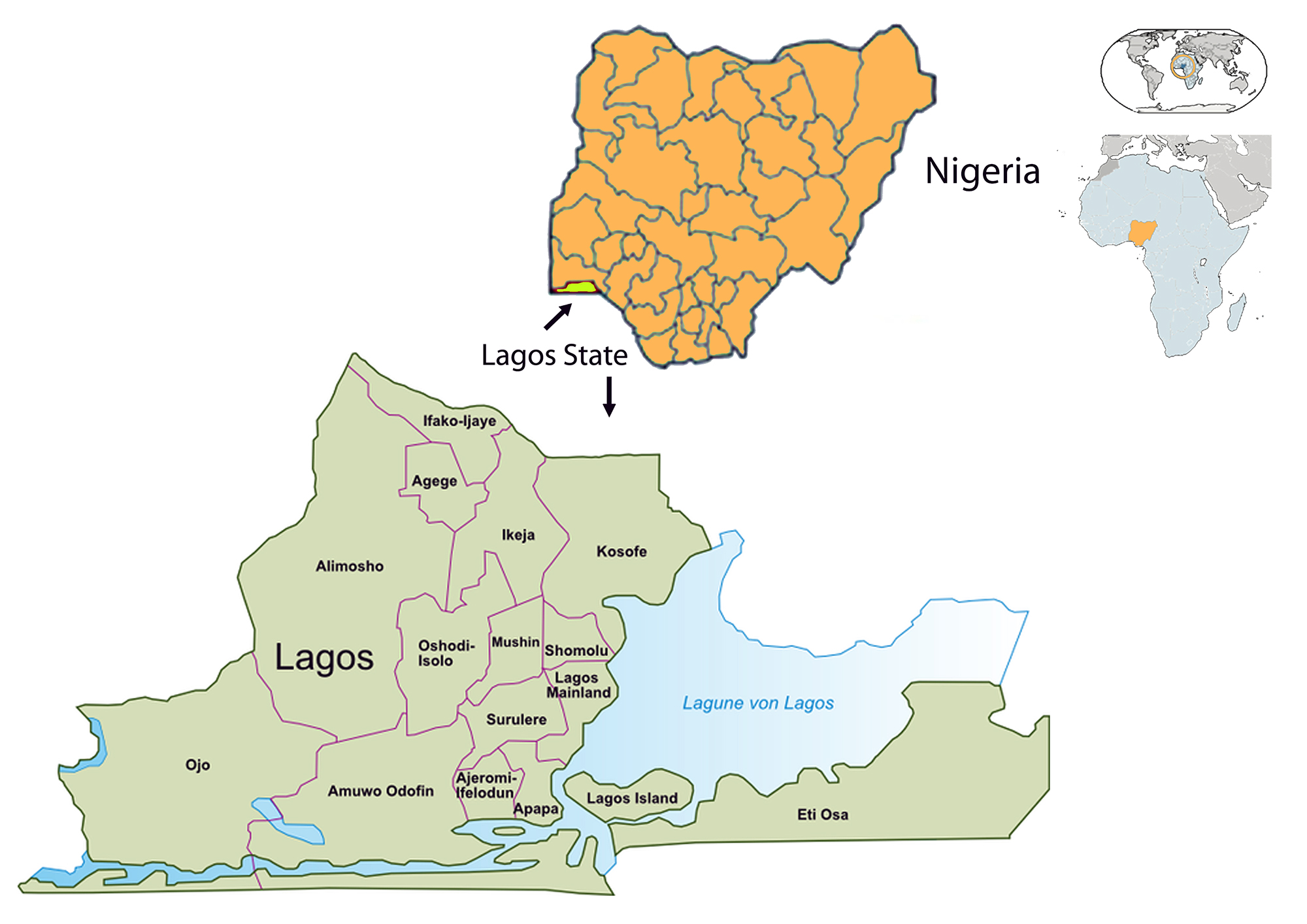
Heavy rainfall on Sunday submerged sections of the Gbagada Expressway, causing severe traffic congestion and disrupting movement across several parts of Lagos.
The flooding left motorists and pedestrians stranded for hours as vehicles struggled through waterlogged roads. Gridlock spread across major connecting routes, with traffic reportedly stretching from Oshodi through Gbagada, while congestion also affected Alapere, Iyana Oworo, Anthony, Ojota, and extended toward Ojuelegba.
Residents described the incident as one of the most severe flooding episodes witnessed in recent times. Many attributed the situation to blocked drainage channels caused by indiscriminate waste disposal, accumulated debris, and illegal structures obstructing natural waterways.
One road user observed that poor environmental practices continue to undermine the city’s drainage infrastructure.
“Most of these floods are caused by human activities such as indiscriminate dumping of refuse, which blocks drainage systems, as well as building on drainage passages,” the commuter said.
Another resident who passed through the area described the traffic situation as “terrible,” blaming clogged canals filled with refuse and debris for worsening the flooding.
Beyond blocked drains, some observers also pointed to broader environmental concerns, including inadequate maintenance of drainage infrastructure and the long-term effects of land reclamation in coastal areas, which they believe may be altering the natural flow of stormwater.
The Lagos State Government has continued to invest in flood control projects, drainage expansion, and environmental sanitation initiatives. However, the latest flooding demonstrates that infrastructure alone cannot eliminate flood risks if drainage systems are compromised by human activities. Environmental experts have consistently emphasized that sustainable flood management requires both government intervention and responsible public behaviour.
Environmental Sustainability Lessons
The flooding offers important lessons on environmental responsibility and climate resilience:
Proper waste disposal is essential. Refuse should be disposed of through approved waste management systems rather than in drains, canals, or waterways.
Drainage channels must remain free of obstructions. Illegal dumping and construction on drainage corridors significantly increase flood risks during heavy rainfall.
Regular maintenance of drainage infrastructure is critical to ensuring efficient stormwater flow.
Urban planning regulations should be enforced to discourage development on floodplains, wetlands, and designated drainage corridors.
Community participation is vital. Effective environmental protection requires collaboration among government agencies, residents, businesses, and community organisations.
Building climate resilience demands collective action. As rainfall patterns become increasingly unpredictable, cities must combine resilient infrastructure with responsible environmental practices to reduce the impact of extreme weather events.
The incident on the Gbagada Expressway underscores that achieving long-term flood resilience depends not only on government investment but also on public compliance with environmental regulations, improved waste management, and sustained maintenance of drainage infrastructure.
A National Call for Climate Action
The Gbagada flooding should be viewed not merely as an isolated weather event but as a reminder of the growing need for climate adaptation in Nigeria. It illustrates how climate-related hazards can be intensified by environmental degradation, poor waste management, and unsustainable urban development.
As Nigeria advances its commitments under the Paris Agreement and implements its Nationally Determined Contributions (NDCs), incidents such as this reinforce the importance of integrated policies that promote climate adaptation, sustainable urban planning, effective waste management, environmental education, and active citizen participation.
Strengthening climate resilience will require sustained investment in resilient infrastructure, stronger environmental governance, and a shared commitment by government, communities, businesses, and citizens to protect the environment. Through collective responsibility, cities like Lagos can become better prepared for the increasing impacts of climate change.