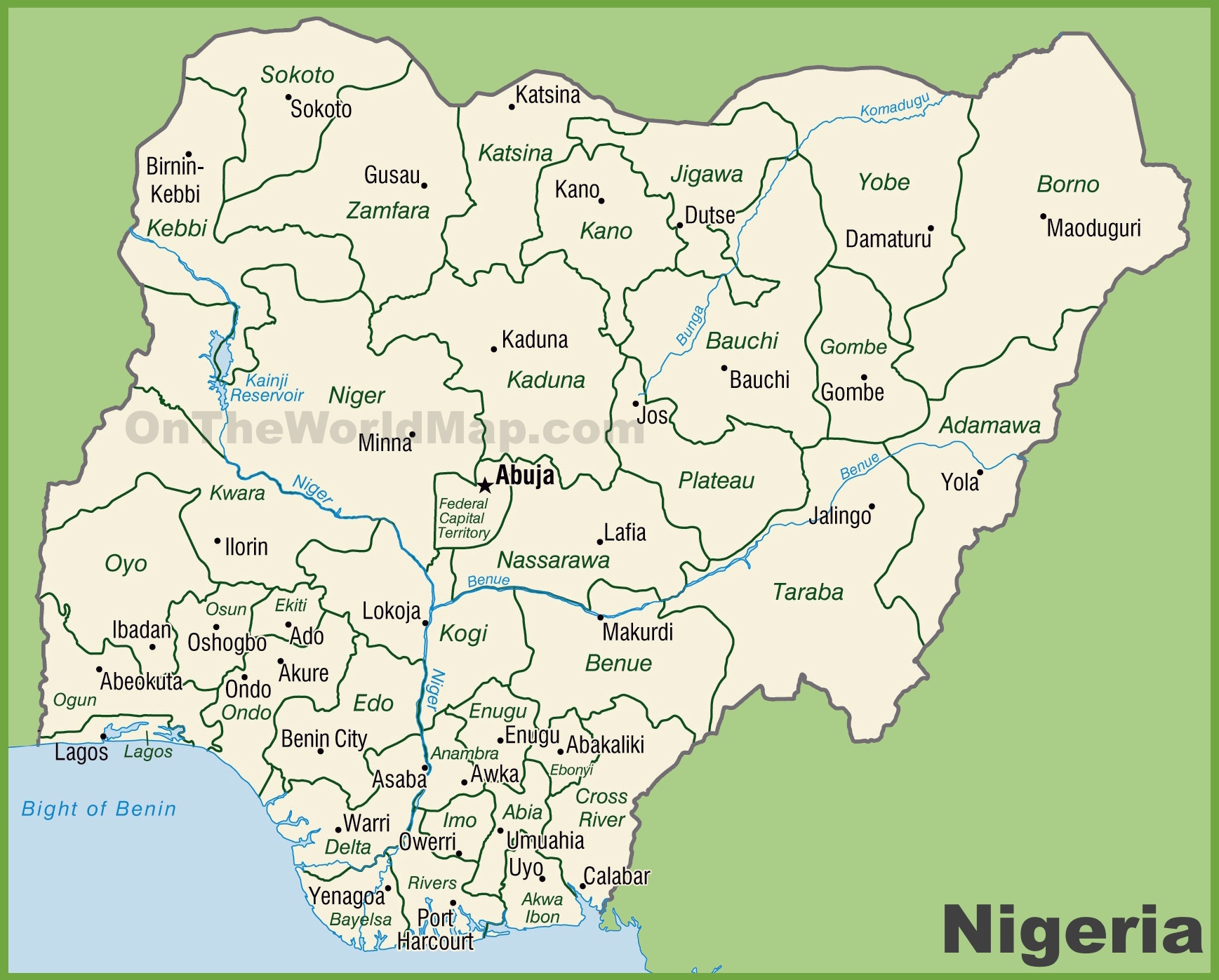
Nigeria has taken a decisive step toward transforming its mining sector with the inauguration of West Africa’s largest lithium processing plant in Nasarawa State, marking a significant milestone in the country’s drive to build a value-driven mining and manufacturing economy.
Situated in the Endo community of Nasarawa Local Government Area, the Diamond New Energy processing facility has the capacity to process 6,000 metric tonnes of lithium ore daily, amounting to approximately three million metric tonnes annually. Beyond its impressive processing capacity, the project reflects Nigeria’s determination to move away from exporting raw mineral resources towards domestic beneficiation, industrialisation and value addition.
The project has already created more than 1,000 direct jobs and over 2,000 indirect employment opportunities, according to its promoters, highlighting its immediate contribution to economic growth, local enterprise development and skills creation.
Speaking at the commissioning through Vice President Kashim Shettima, President Bola Tinubu described the facility as a strategic investment that supports the Federal Government’s vision of positioning the solid minerals sector as a major contributor to economic diversification, industrial expansion and export growth.
He stressed that while Nigeria is richly endowed with mineral resources, sustainable prosperity depends on processing those resources locally rather than exporting them in their raw form.
“Natural resources may be a blessing, but only vision can turn them into wealth. Only institutions can protect that wealth. Only industry can multiply it, and only people can give it meaning.”
The President observed that the global transition to clean energy has elevated lithium into one of the world’s most strategic minerals because of its indispensable role in rechargeable batteries, electric vehicles and renewable energy storage technologies.
He described the Diamond New Energy plant as tangible evidence that Nigeria is progressing from a resource extraction economy to one anchored on value-added industrial production.
“A factory is never just a building. It is where policy becomes employment, where investment becomes production, and where hope begins to acquire structure.”
According to Tinubu, investments of this nature will strengthen domestic manufacturing, encourage technology transfer, develop skilled manpower and improve Nigeria’s competitiveness within the global critical minerals value chain.
He also commended Nasarawa State Governor Abdullahi Sule for fostering an enabling investment climate that has attracted significant mining projects, while emphasising that policy consistency, institutional stability and peace remain essential for sustaining investor confidence.
Governor Sule described the commissioning as another milestone in Nasarawa’s emergence as one of Nigeria’s leading mining investment destinations. He thanked Diamond New Energy for selecting the state despite competing investment opportunities elsewhere and reaffirmed the government’s commitment to providing security, policy support and a conducive business environment.
He noted that Nasarawa possesses commercially viable deposits of lithium, lead, zinc, copper, iron ore, gold, marble and gemstones, in addition to vast agricultural resources and its strategic proximity to the Federal Capital Territory, making it an attractive destination for industrial investment.
Sule also acknowledged the support of the host community, describing its cooperation as critical to the successful completion of the project.
Minister of Solid Minerals Development, Dele Alake, said the commissioning validates the Federal Government’s policy requiring investors to process mineral resources locally before export.
According to him, the policy is designed to deepen domestic manufacturing, create skilled employment, facilitate technology transfer and maximise value from Nigeria’s abundant mineral resources.
He said the government’s long-term objective is to establish a complete lithium value chain capable of producing batteries, electric vehicles, solar panels, mobile phones and other clean energy technologies within Nigeria.
“Our goal is to begin producing lithium batteries, electric vehicles, mobile phones, solar panels and every technology that depends on lithium. We want to produce them in Nigeria.”
Alake added that Nigeria’s local value-addition strategy is already attracting international attention, with several African countries beginning to adopt similar mineral beneficiation policies.
Representing Diamond New Energy and its partners, JULING and CANMAX, Ambassador Yu Chongqiang reaffirmed the company’s commitment to positioning Nigeria as a leading player in the global critical minerals industry through responsible mining, local processing and industrial innovation.
He said the company’s investments extend beyond modern processing facilities to workforce development, infrastructure, environmental sustainability and partnerships with host communities.
According to Yu, the completion of processing plants in Nasarawa and Ogun states forms part of a broader strategy to develop an integrated industrial ecosystem that will strengthen local manufacturing, deepen domestic supply chains and support Africa’s transition to a clean energy economy.
The commissioning comes at a time when Nigeria is intensifying efforts to attract investment into its solid minerals sector in response to surging global demand for critical minerals driven by the rapid expansion of electric vehicles, battery manufacturing and renewable energy technologies.
Advancing Sustainable Development Through Value Addition
Beyond its economic significance, the lithium processing plant represents an important milestone in Nigeria’s pursuit of sustainable development. By prioritising local processing over the export of raw minerals, the country is laying the foundation for a more resilient industrial economy that creates jobs, develops technical expertise and retains greater value within national borders.
The project aligns with key United Nations Sustainable Development Goals, particularly those relating to decent work and economic growth (SDG 8), industry, innovation and infrastructure (SDG 9), responsible consumption and production (SDG 12), and climate action (SDG 13). As lithium remains indispensable to batteries, electric vehicles and renewable energy storage systems, Nigeria is positioning itself to participate more meaningfully in the rapidly expanding global green economy.
The initiative also carries broader implications for Africa’s industrial future. For decades, many resource-rich African countries have exported unprocessed minerals while importing finished products, limiting industrialisation and reducing opportunities for value creation. Nigeria’s emphasis on local beneficiation offers an alternative development pathway centred on manufacturing, technological advancement and industrial competitiveness.
If successfully sustained, the country’s value-addition policy could encourage similar investments across the continent, strengthen regional supply chains and reduce Africa’s dependence on commodity exports.
Moreover, the emergence of lithium processing hubs in Nigeria complements the objectives of the African Continental Free Trade Area (AfCFTA) by creating opportunities for regional manufacturing partnerships, expanding intra-African trade in critical minerals and supporting the development of an African battery and electric vehicle value chain. Such progress would not only enhance the continent’s competitiveness in the global energy transition but also generate employment, attract investment and accelerate economic transformation.
Ultimately, the long-term success of Nigeria’s lithium industry will depend on maintaining strong environmental safeguards, responsible mining practices, policy consistency and meaningful engagement with host communities. If these foundations are sustained, the country’s lithium value chain could become a catalyst for inclusive growth, industrial resilience and sustainable development, while providing a model for resource-rich economies across Africa.