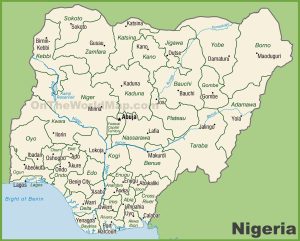
Nigeria stands at a defining moment in its development journey. As Africa’s largest economy and most populous nation, its pursuit of economic growth must go hand in hand with protecting environmental health and safeguarding public well-being. The increasing burden of air pollution, urban noise, poor sanitation, and environmental hazards affecting children is not merely an environmental concern—it is a public health emergency that demands coordinated action from government, corporate organizations, communities, and citizens.
Sustainability is no longer an abstract global agenda. It is a practical necessity for Nigeria’s economic resilience, healthcare system, and quality of life.
Air Pollution: An Invisible Threat to Public Health
Across Nigeria’s major cities, including Lagos, Port Harcourt, Kano, Onitsha, and Abuja, air pollution has become one of the country’s most significant environmental health challenges. Vehicle emissions, diesel-powered generators, industrial activities, open waste burning, gas flaring, construction dust, and biomass cooking fuels continue to degrade air quality.
The health consequences are severe. Rising cases of asthma, chronic obstructive pulmonary disease (COPD), lung infections, cardiovascular illnesses, and premature deaths have all been linked to prolonged exposure to polluted air. Children, the elderly, and individuals with existing respiratory conditions remain the most vulnerable.
The economic implications are equally concerning. Lost productivity, increased healthcare spending, and reduced workforce efficiency impose billions of naira in hidden costs each year.
Government must strengthen air quality monitoring systems, enforce industrial emission standards, and accelerate investment in cleaner energy infrastructure. Simultaneously, businesses should adopt cleaner production technologies, reduce carbon emissions, and integrate environmental performance into corporate governance.
The Growing Burden of Noise Pollution
While often overlooked, noise pollution is becoming a major urban health issue in Nigeria.
From incessant traffic congestion and commercial generators to construction activities, loud entertainment venues, and indiscriminate use of public address systems, excessive noise has become an accepted part of city life.
Medical experts increasingly associate chronic noise exposure with stress, hypertension, anxiety disorders, hearing impairment, sleep disturbances, and reduced workplace productivity.
Urban planning must therefore move beyond road construction and housing expansion to include sound environmental management. Local governments should enforce existing noise regulations while city planners integrate green spaces, buffer zones, and improved traffic management into urban development.
Corporate organizations also have responsibilities to minimize industrial noise, comply with environmental standards, and invest in quieter technologies.
Sanitation: The Foundation of Public Health
Environmental sustainability begins with proper sanitation.
Despite improvements in some urban centres, many Nigerian communities continue to struggle with poor waste management, inadequate drainage systems, open defecation, blocked waterways, and contaminated water sources.
The consequences become evident during every rainy season, when flooding combines with poor sanitation to create outbreaks of cholera, typhoid, malaria, and other waterborne diseases.
Achieving healthier communities requires sustained investment in modern waste collection systems, recycling infrastructure, wastewater treatment, and public sanitation facilities.
Corporate organizations can contribute significantly through Extended Producer Responsibility (EPR) programmes, plastic recovery initiatives, sustainable packaging, and investments in circular economy solutions.
Public-private partnerships should become central to modern waste management across Nigerian states.
Protecting Children’s Environmental Health
Children experience the greatest long-term consequences of environmental degradation.
Exposure to polluted air, contaminated drinking water, hazardous waste, toxic chemicals, and unsafe living environments can impair physical development, weaken immune systems, reduce educational performance, and increase lifelong health risks.
Schools located near busy highways, industrial facilities, waste dumps, or flood-prone communities expose millions of Nigerian children to preventable health hazards.
Environmental protection must therefore become part of child protection policy.
Governments should prioritize cleaner school environments, safe drinking water, improved sanitation facilities, urban tree planting, and stronger environmental regulations around residential communities and educational institutions.
Businesses can support these efforts through Corporate Social Responsibility (CSR) programmes focused on school sanitation, environmental education, clean energy access, and community health initiatives.
Building Healthy Cities for Sustainable Development
Nigeria’s urban population continues to expand rapidly, placing enormous pressure on housing, transportation, healthcare, waste management, water supply, and environmental quality.
Healthy cities are not simply modern cities—they are cities where clean air, accessible healthcare, efficient public transportation, green spaces, reliable sanitation, and environmental resilience work together to improve quality of life.
Sustainable urban development should prioritize: Clean public transportation systems; Green infrastructure and urban forestry; Renewable energy adoption; Climate-resilient drainage systems; Efficient waste recycling; Smart environmental monitoring; Affordable clean housing; Active mobility through pedestrian and cycling infrastructure. These investments improve not only public health but also economic competitiveness and investor confidence.
Corporate Sustainability Must Move Beyond Compliance
Corporate sustainability is increasingly becoming a strategic business imperative rather than a public relations exercise.
Nigerian companies have an opportunity to become leaders in environmental stewardship by embedding Environmental, Social and Governance (ESG) principles into their operations.
Reducing emissions, improving energy efficiency, investing in renewable energy, adopting sustainable supply chains, minimizing waste generation, and publishing transparent sustainability reports are no longer optional in an increasingly global economy.
Investors, consumers, and international partners increasingly evaluate companies based on their environmental performance.
Businesses that embrace sustainability today are likely to enjoy stronger reputations, lower operational risks, and greater long-term profitability.
Government Must Lead Through Policy and Enforcement
Environmental protection requires more than legislation—it requires consistent enforcement.
Federal, state, and local governments must strengthen environmental agencies, improve air quality monitoring, enforce environmental regulations without political interference, and invest in scientific research that supports evidence-based policymaking.
Greater collaboration among ministries responsible for health, environment, transportation, housing, education, and industry is essential to address environmental health challenges holistically.
Climate adaptation strategies should also become integral to Nigeria’s national development agenda, ensuring communities are better prepared for flooding, heatwaves, and other environmental risks.
A Shared Responsibility
Environmental health is not solely the responsibility of government. It requires collective action.
Communities must embrace responsible waste disposal and environmental stewardship. Corporate organizations must align profitability with sustainability. Civil society should continue advocating for environmental justice. Educational institutions must equip young people with environmental literacy, while individuals adopt cleaner lifestyles and support policies that promote healthier environments.
Nigeria’s sustainable future will not be measured only by GDP growth or infrastructure development. It will also be judged by the quality of the air citizens breathe, the cleanliness of neighbourhoods, the health of children, and the resilience of communities.
Protecting environmental health is ultimately an investment in national prosperity. Cleaner air, quieter cities, better sanitation, healthier children, and sustainable urban development are not competing priorities—they are the foundation upon which a healthier, more productive, and globally competitive Nigeria can be built.
The time for coordinated action is now.