Nigeria stands at a defining moment in its energy history. As Africa’s largest economy and most populous nation, our future prosperity depends on one critical factor: access to reliable, affordable, and sustainable energy.
For decades, Nigerians have endured persistent power shortages, rising fuel costs, and an overreliance on diesel and petrol generators that burden households, businesses, and the environment alike. Yet amid these challenges lies an unprecedented opportunity. Renewable energy—particularly solar power—offers a pathway to transform Nigeria’s energy landscape, expand economic opportunities, and accelerate sustainable development.
The question is no longer whether renewable energy can power Nigeria’s future. The evidence is clear that it can. The question is whether government will move with the urgency and scale required to unlock its full potential.
Across Africa, renewable energy is increasingly recognized as a driver of economic growth, social inclusion, and climate resilience. Countries are investing in solar, wind, mini-grids, and clean cooking technologies to address energy poverty while creating jobs and attracting investment. Nigeria should be leading this movement. Instead, progress remains slower than the country’s enormous potential deserves.
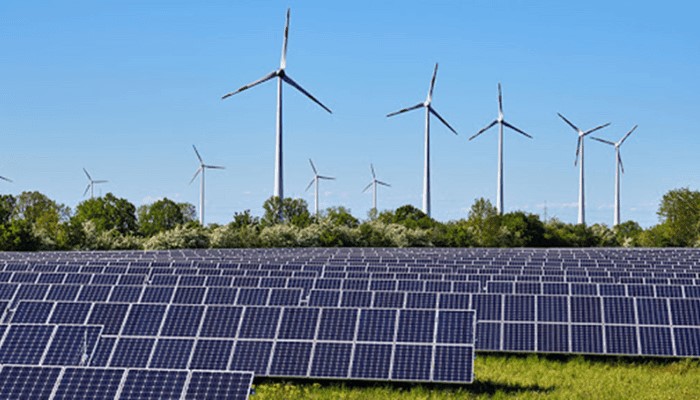
With abundant sunshine throughout the year, Nigeria possesses one of the world’s richest solar resources. From urban households to rural communities, solar energy can provide reliable electricity where conventional grid infrastructure has struggled to deliver. For millions of families, solar solutions offer freedom from noisy generators, lower energy costs, and improved quality of life.
Businesses, particularly small and medium-sized enterprises, stand to benefit significantly. Many Nigerian entrepreneurs spend a substantial portion of their revenues on fuel and power generation. Every hour lost to power outages translates into lost productivity and reduced competitiveness. Expanding access to renewable energy would help businesses reduce operating costs, improve efficiency, and create new economic opportunities.
Yet despite these clear advantages, barriers remain. High upfront costs, limited financing options, inconsistent policy implementation, and bureaucratic bottlenecks continue to slow adoption. While private-sector innovators have made commendable progress, government intervention is needed to create an enabling environment that accelerates investment and deployment.
One area that requires urgent attention is clean cooking. Millions of Nigerian households still rely on firewood, charcoal, and other traditional fuels for daily cooking. The consequences are devastating. Indoor air pollution contributes to serious health conditions, particularly among women and children, while unsustainable fuel harvesting accelerates deforestation and environmental degradation.
Government should prioritize large-scale clean cooking initiatives that make modern alternatives affordable and accessible. Whether through incentives, financing mechanisms, awareness campaigns, or public-private partnerships, Nigeria must treat clean cooking as a public health and environmental priority rather than a secondary policy issue.
Equally important is the promotion of energy efficiency. At a time when energy demand continues to rise, reducing waste offers one of the fastest and most affordable ways to improve energy security. Encouraging the adoption of energy-efficient appliances, lighting systems, industrial equipment, and building standards can help households and businesses lower costs while easing pressure on national energy infrastructure.
The renewable energy sector also presents a tremendous opportunity for job creation. Nigeria’s youthful population is one of its greatest assets, yet unemployment and underemployment remain pressing concerns. Renewable energy can provide thousands of jobs across manufacturing, installation, maintenance, engineering, financing, and technology services.
However, job creation will not happen automatically. Government must invest in skills development, vocational training, and technical education tailored to the needs of the green economy. Universities, technical colleges, and private-sector partners should be supported in developing programmes that prepare young Nigerians for careers in renewable energy and sustainability.
Perhaps the greatest opportunity lies in rural electrification. Millions of Nigerians living in rural communities remain underserved by conventional electricity infrastructure. Extending the national grid to every remote location is neither practical nor economically viable in the near term. Renewable energy mini-grids and standalone solar systems offer a proven alternative.
When rural communities gain access to reliable electricity, the benefits extend far beyond lighting. Schools can improve learning outcomes, health centres can provide better services, farmers can increase productivity, and local businesses can expand operations. Rural electrification is therefore not simply an energy issue—it is a development issue, an education issue, a healthcare issue, and an economic issue.
To achieve meaningful progress, government must move beyond ambitious declarations and deliver sustained implementation. Policies should provide certainty for investors. Regulatory processes should be streamlined. Incentives should encourage local manufacturing and innovation. Financing mechanisms should be expanded to make renewable technologies accessible to households and businesses. Above all, energy transition goals must be backed by measurable actions and adequate funding.
The cost of inaction is simply too high. Every day that millions remain without reliable electricity is a day of lost economic productivity, missed educational opportunities, constrained healthcare delivery, and diminished quality of life.
Nigeria has the resources, the talent, and the entrepreneurial spirit needed to become a renewable energy leader in Africa. What is required now is political will, policy consistency, and strategic investment.
The renewable energy transition is not merely an environmental agenda. It is an economic imperative and a national development priority. If government acts boldly, Nigeria can build an energy future that is cleaner, more inclusive, and more prosperous for all.
The time for pilot projects and incremental progress has passed. Nigeria’s renewable energy moment is here. Government must do more—and it must do so now.