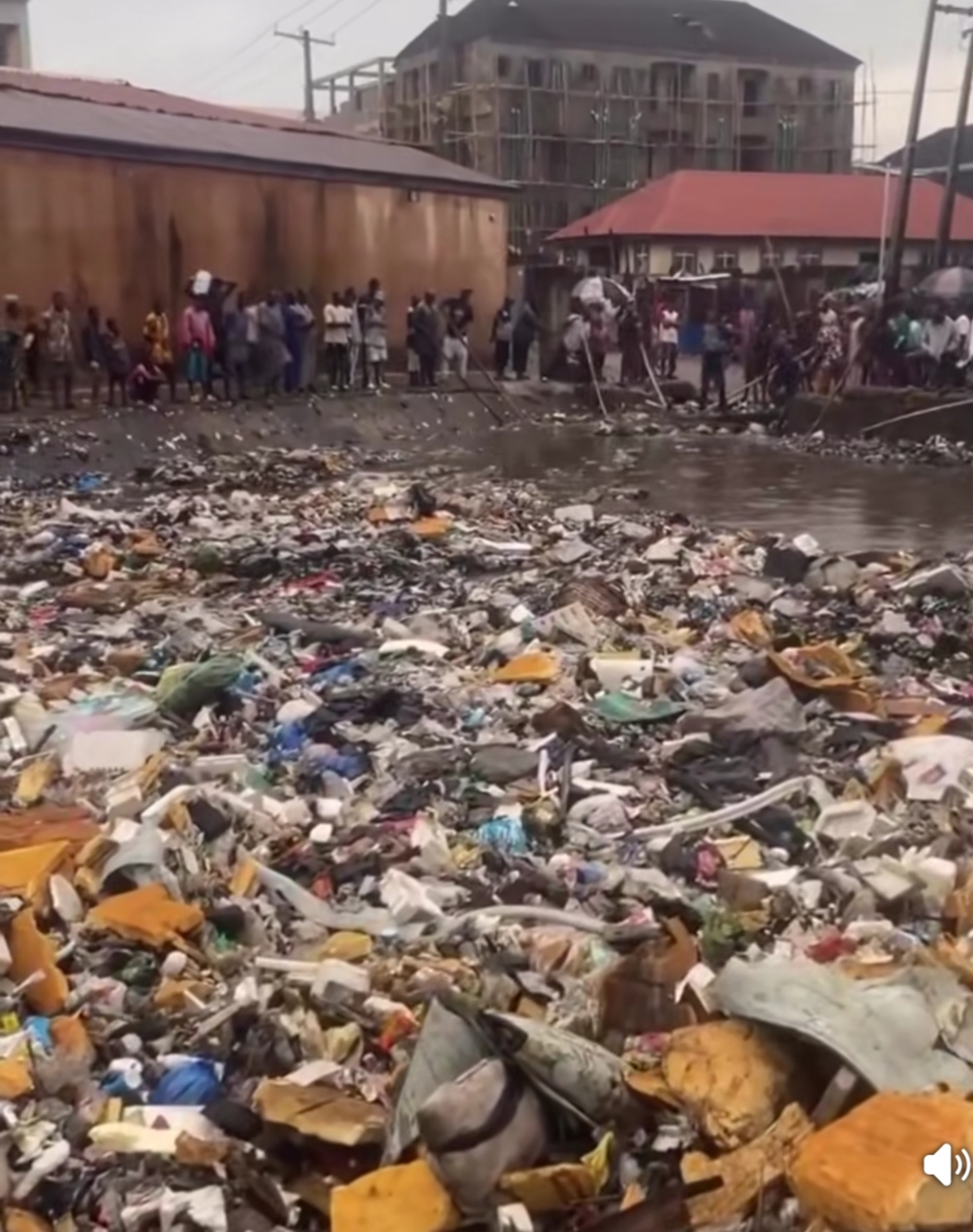
The recent flooding that followed heavy rainfall in Lagos has once again exposed the environmental vulnerabilities of Nigeria’s commercial capital. Roads became impassable, homes and businesses were submerged, economic activities were disrupted, and many residents were left counting their losses. Sadly, this has become an all-too-familiar experience during the rainy season.
While climate change has increased the intensity and unpredictability of rainfall across the globe, it would be misleading to attribute Lagos’ flooding solely to nature. Much of what we witnessed is the consequence of human actions and institutional shortcomings. The blocked drainage channels, refuse-filled canals, indiscriminate construction on flood plains, and poor waste management systems have collectively created conditions that make flooding almost inevitable whenever heavy rains occur.
Environmental sustainability is no longer an abstract concept discussed only in international climate conferences. It is a practical necessity that determines the health, safety and economic wellbeing of our communities. The Lagos floods are a stark reminder that environmental degradation comes at a heavy cost.
Perhaps the most visible contributor to urban flooding is the indiscriminate disposal of waste. Plastics, food waste, sachet water bags, bottles, tyres and other debris routinely find their way into drainage channels and canals. These block the free flow of stormwater, causing drains to overflow and flood adjoining streets and neighbourhoods.
Yet, it would be simplistic to place all the blame on residents. Citizens have a responsibility to dispose of waste properly, but government agencies also have a duty to provide reliable and accessible waste management services. Environmental sustainability thrives where responsible citizenship meets effective governance.
Many Lagos residents continue to express concern about the performance of the Lagos Waste Management Authority (LAWMA). Although households are required to pay for waste collection services, complaints about irregular waste evacuation remain widespread. In many communities, collection trucks are rarely seen, forcing residents to seek the services of informal waste collectors. This raises an important question: where does the waste eventually end up? Without proper regulation, there is a real danger that refuse collected informally may simply be dumped into canals, wetlands or illegal dumpsites, thereby worsening the environmental crisis.
LAWMA should therefore strengthen its operational efficiency by improving the regularity of waste collection, expanding coverage to underserved communities, and ensuring greater accountability among both licensed operators and informal waste handlers. Citizens who faithfully pay for waste collection deserve efficient and dependable service.
The Lagos State Government must equally intensify its commitment to environmental governance. Existing sanitation laws should be enforced consistently, without fear or favour. Illegal dumping of refuse into drainage channels, roads and waterways should attract swift penalties, while routine desilting of canals and maintenance of drainage infrastructure should become a year-round exercise rather than a seasonal response.
Urban planning also deserves urgent attention. In the pursuit of rapid development, natural drainage channels, wetlands and flood plains have increasingly been encroached upon by residential and commercial developments. Such practices undermine the city’s natural flood-control mechanisms and increase the severity of flooding. Sustainable urban planning requires that environmental considerations remain central to development approvals and infrastructure expansion.
Public education is another critical pillar of environmental sustainability. Changing behaviour requires more than punitive measures. Schools, religious organisations, community associations, market leaders, professional bodies and the media should collaborate in promoting environmental consciousness. Citizens need continuous education on waste segregation, recycling, responsible disposal practices and the consequences of environmental abuse.
Government should also invest in more accessible waste disposal infrastructure. Public waste bins and designated collection centres should be strategically located in residential communities, markets, transport hubs and commercial districts. Convenient access to waste disposal facilities encourages compliance and discourages indiscriminate dumping.
The private sector likewise has a role to play. Manufacturers should embrace extended producer responsibility by supporting the collection and recycling of plastic packaging and other post-consumer waste. Corporate organisations can also strengthen environmental sustainability through public awareness campaigns, community clean-up initiatives and investments in recycling infrastructure.
The challenge before Lagos is not merely one of flooding; it is one of environmental governance and collective responsibility. Climate change may increase the volume of rainfall, but it is our choices—how we manage waste, plan our cities, enforce our laws and protect our ecosystems—that determine whether rainfall becomes a disaster.
Every flood should not become another opportunity for expressions of sympathy while the underlying causes remain unaddressed. The cost of environmental negligence is measured not only in damaged infrastructure and lost economic opportunities but also in public health risks, environmental degradation and diminished quality of life.
The path forward requires all hands to be on deck. Government must provide effective leadership through improved waste management services, stronger enforcement of environmental regulations and sustainable urban planning. Communities must embrace environmental stewardship, while citizens must recognise that keeping Lagos clean is both a civic duty and an investment in their own safety and wellbeing.
The recent floods should serve as more than another seasonal headline. They should mark the beginning of a renewed commitment to environmental sustainability. A cleaner, healthier and more resilient Lagos is achievable, but only if government, institutions, businesses and citizens work together to protect the environment that sustains us all.