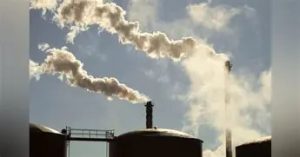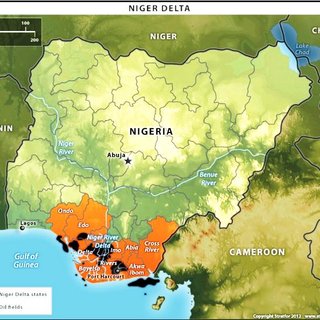
Decades of oil spillage in Nigeria’s Niger Delta continue to endanger the environment and undermine the livelihoods of local communities, with Ogoni land emerging as one of the most severely impacted areas and a powerful symbol of the region’s long-standing environmental crisis.
In response to growing concerns, a high-powered Federal Government delegation led by the National Security Adviser (NSA), Mallam Nuhu Ribadu, recently visited Ogoniland and assured residents of urgent government intervention to address the situation.
The delegation visited the spill site at the Yorla Oil Field in Kpean Community, Khana Local Government Area of Rivers State, on December 22, 2025, to assess the scale of environmental damage. During the visit, Ribadu pledged that those responsible for the spill would be identified and brought to justice.
Oil exploration in Ogoni land dates back to the 1950s and has left a legacy of polluted waterways, contaminated farmlands, and degraded ecosystems. Repeated oil spills—often linked to aging pipelines, equipment failure, and years of poor maintenance—have severely disrupted fishing and farming, which form the backbone of the local economy.
An environmental assessment conducted by the United Nations Environment Programme (UNEP) in 2011 exposed alarming levels of pollution across Ogoni land. The report found that groundwater sources used for drinking in several communities were contaminated with hydrocarbons far above internationally accepted safety standards. It also documented extensive damage to mangrove forests and described the associated public health risks as “serious and widespread.”
Following the UNEP findings, the Federal Government launched the Ogoni land cleanup project in 2016 through the Hydrocarbon Pollution Remediation Project (HYPREP). The initiative seeks to remediate polluted soil and water, restore damaged ecosystems, and improve living conditions for affected communities.
Cleanup efforts have included the excavation and treatment of contaminated soil, bioremediation using oil-degrading microorganisms, and the restoration of mangrove forests. Local youths have also been engaged in cleanup activities, creating employment opportunities and fostering community participation.
Despite these interventions, significant challenges persist. The pace of remediation has drawn criticism, with concerns raised over funding, technical capacity, and transparency. Many residents remain frustrated, noting that pollution continues to threaten their health and livelihoods as cleanup efforts progress slowly.
Environmental experts stress that effective management of oil spillage in the Niger Delta must extend beyond post-spill remediation. They advocate preventive measures such as the replacement of aging oil infrastructure, stricter enforcement of environmental regulations, improved spill detection systems, and decisive action against oil theft and illegal refining.
As cleanup activities in Ogoni land continue, the project is widely regarded as a crucial test case for environmental restoration in the Niger Delta. Observers believe the outcome will play a defining role in shaping future oil spill management efforts across the region.
For the people of Ogoni land, the cleanup offers cautious hope for environmental recovery, while underscoring the need for sustained commitment, accountability, and cooperation among government authorities, oil companies, and host communities.