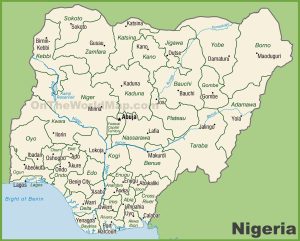
Climate change is not a distant threat — it is an urgent, present-day crisis. Around the world, rising global temperatures are driving more frequent and severe weather extremes, destabilizing ecosystems, and threatening human well-being. Nowhere is this clearer than in Nigeria, where rising heat, worsening floods, persistent drought, and biodiversity loss are reshaping lives, livelihoods, and landscapes.
Rising Temperatures: Heatwaves and Human Health
Across Nigeria, temperatures are climbing to dangerous levels. In 2025, meteorological warnings were issued for severe heat stress in Kano and 17 other northern states, with temperatures soaring above 40 °C and even reaching 42 °C in several cities. These extreme heat events are directly linked to climate change and pose serious public health threats, particularly for children, the elderly, and outdoor workers. (The Cable)
Heatwaves don’t just make days uncomfortable — they increase heat-related illness and can exacerbate chronic health conditions. With rural populations reliant on outdoor labor for farming and urban populations coping with heat island effects, the human cost of rising temperatures in Nigeria is both immediate and growing.
Flooding: Unexpected Deluges with Devastating Impact
At the same time that some regions bake under relentless heat, others suffer from too much water. In 2025, parts of Nigeria experienced some of the worst flooding in decades — with severe rainfall along the Niger River inundating towns, killing scores of people, and displacing thousands. One flood in Niger State was described as the worst in 60 years and resulted in more than 150 deaths and thousands of displaced residents. (The Guardian)
These floods are not random. Climate change alters atmospheric circulation and increases the likelihood of intense downpours, turning what should be seasonal rains into disasters. Floodwaters destroy homes, wash away crops, disrupt markets, and threaten the health and safety of entire communities.
Drought and Water Scarcity: The Other Side of Extremes
In northern and central Nigeria, climate change is also intensifying drought and water scarcity. Delayed rainfall and prolonged dry spells have dried up rivers and water sources critical for farming. In states like Sokoto and Kebbi, once-reliable water bodies have withered, forcing farmers to resort to groundwater pumping — a costly and often unsustainable alternative. (The Cable)
This pattern — alternating between drought and flood — disrupts the agricultural calendar. Staple crops such as maize, rice, and millet suffer from heat stress or moisture stress, leading to reduced yields and greater food insecurity. With more than 70 % of Nigerians dependent on rain-fed agriculture, these climatic shocks have profound implications for national food stability. (RSIS International)
Biodiversity Loss: Ecosystems Under Threat
Climate change also accelerates biodiversity loss throughout Nigeria. Rising temperatures, desertification, and changing precipitation patterns threaten ecosystems from the mangroves of the Niger Delta to the forests of the Cross River region. Between 2001 and 2023, Nigeria lost millions of hectares of tree cover — a reduction of around 13 % — weakening the land’s natural ability to absorb carbon and support diverse wildlife. (Tresor Public)
Case in point: wildfires fueled by extreme heat have ravaged critical habitats, including portions of Cross River National Park — a refuge for endangered species like the Cross River gorilla. The destruction of habitats not only reduces biodiversity but also undermines tourism, traditional medicine sources, and ecosystem services that local communities rely on. (Climate Scorecard)
Case Studies in Nigeria: Concrete Evidence of Crisis
2025 Northern Floods: Intense rainfall overwhelmed river systems, especially around the Niger River, causing widespread flooding with significant loss of life and displacement. (The Guardian)
Northern Drought and Agricultural Loss: Prolonged dry spells and extreme heat led to declining water availability and crop failures in states like Sokoto and Zamfara, exacerbating food insecurity. (The Cable)
Coastal Erosion and Sea-Level Rise: Rising seas and storm surges are eroding vast stretches of Nigeria’s coastline, threatening fishing livelihoods, infrastructure, and freshwater sources in communities such as Apakin in Lagos. (Reuters)
Why This Matters Now
These trends show that climate change is not a future problem — it is happening now, with measurable impacts across Nigeria’s environment and society. The dual threats of extreme heat and extreme rainfall are reshaping ecosystems, undermining agriculture, and endangering human lives.
The intersection of climate change with poverty, infrastructure deficits, and public health vulnerabilities makes the crisis more acute in countries like Nigeria. Addressing climate change requires urgent action — from implementing resilient agricultural practices and strengthening water management systems to protecting ecosystems and investing in early warning systems for extreme weather.
The Time to Act Is Immediate
The science is clear and the evidence is all around us: climate change is real, it is accelerating, and its impacts are already being felt in Nigeria. Rising temperatures, flooding, drought, and biodiversity loss are not distant projections — they are daily realities for millions. A robust and immediate response is essential to protect lives, livelihoods, and the natural world that sustains them.
Policy Recommendations to Address Nigeria’s Immediate Climate Crisis
Nigeria’s experience with rising temperatures, destructive flooding, prolonged drought, and accelerating biodiversity loss shows that climate change is already a national emergency. Effective policy responses must be urgent, coordinated, and science-based, while also addressing poverty and development priorities.
Below are practical recommendations tailored to Nigeria’s context.
1.Strengthen Climate Governance and Implementation
Nigeria already has a climate framework through the Climate Change Act, which commits the country to net-zero emissions by 2060. However, stronger implementation is essential.
Key Actions:
Fully operationalize the National Council on Climate Change with adequate funding and technical capacity.
Mandate climate risk assessments in all federal and state infrastructure projects.
Integrate climate adaptation plans into state development agendas, especially in high-risk states such as Lagos State, Kebbi State, and Borno State.
Establish transparent climate finance tracking systems to prevent mismanagement.
2. Invest in Flood Control and Urban Resilience
Flooding, especially along the Niger and Benue river basins, is intensifying.
Key Actions:
Upgrade and expand drainage systems in vulnerable cities such as Lagos and Port Harcourt.
Restore wetlands and natural floodplains along the Niger River to serve as natural buffers.
Enforce zoning laws that prevent construction in flood-prone areas.
Expand early warning systems through the Nigerian Meteorological Agency (NiMet) to improve disaster preparedness.
3. Build Climate-Resilient Agriculture
With over 70% of Nigerians dependent on rain-fed farming, agricultural reform is critical.
Key Actions:
Promote drought-resistant and heat-tolerant crop varieties.
Expand irrigation infrastructure in northern states vulnerable to desertification.
Support climate-smart agriculture training for smallholder farmers.
Scale up agricultural insurance schemes to reduce farmers’ financial risk after climate shocks.
Priority regions include northern states bordering the shrinking Lake Chad, where drought and desertification are intensifying food insecurity.
4. Accelerate Renewable Energy Transition
Reducing emissions while improving energy access is essential.
Key Actions:
Expand off-grid solar programs in rural communities.
Provide incentives for private investment in solar and wind power.
Gradually phase down fossil fuel subsidies and redirect funds toward clean energy infrastructure.
Promote clean cooking solutions to reduce deforestation and indoor air pollution.
Nigeria’s renewable energy expansion can simultaneously reduce emissions, create jobs, and improve public health.
5. Protect Forests and Biodiversity
Nigeria has experienced significant forest loss, threatening ecosystems and endangered species.
Key Actions:
Strengthen enforcement against illegal logging in areas such as Cross River National Park.
Launch national reforestation campaigns involving local communities.
Support community-based conservation initiatives.
Integrate biodiversity protection into national climate adaptation strategies.
Protecting forests not only preserves biodiversity but also enhances carbon sequestration and reduces flood risk.
6. Expand Climate Finance and International Partnerships
Nigeria requires substantial funding to implement adaptation and mitigation measures.
Key Actions:
Access global climate funds such as the Green Climate Fund.
Encourage public-private partnerships for resilient infrastructure.
Issue green bonds to finance renewable energy and adaptation projects.
Ensure climate finance reaches vulnerable communities rather than being centralized.
7. Strengthen Public Awareness and Education
Climate action must involve citizens.
Key Actions:
Integrate climate education into school curricula nationwide.
Launch public awareness campaigns on heat safety, flood preparedness, and water conservation.
Support local community climate committees to drive grassroots adaptation efforts.
Conclusion: Acting Now to Secure Nigeria’s Future
Climate change is already reshaping Nigeria’s environment and economy. Rising heat, floods, drought, and biodiversity loss demand immediate and coordinated policy action. By strengthening governance, investing in resilient infrastructure, protecting ecosystems, and accelerating renewable energy, Nigeria can reduce vulnerability while fostering sustainable development.
The cost of inaction will far exceed the cost of proactive climate policy. Immediate implementation — not just planning — is essential to safeguard lives, livelihoods, and future generations.