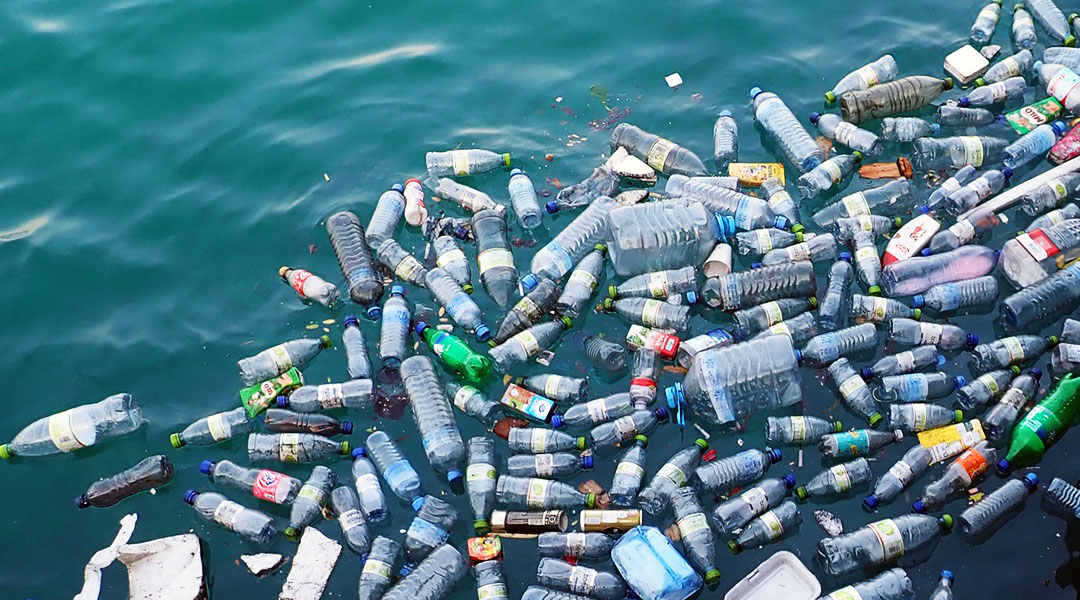
Nigeria is grappling with an escalating environmental crisis as plastic waste increasingly overwhelms its cities, waterways, and drainage systems, raising alarm among environmentalists and public health experts about the nation’s sustainable future.
From clogged gutters in Lagos to polluted rivers in Port Harcourt and Aba, plastic waste has become a stark indicator of inadequate waste management. Nigeria produces millions of tonnes of plastic waste each year, yet only a small percentage is recycled. Experts warn that this growing problem poses serious threats to public health, marine ecosystems, and economic productivity.
Environmental analysts explain that plastic pollution intensifies flooding during the rainy season, as blocked drainage channels prevent the free flow of water. The resulting floods often destroy homes, displace residents, and increase the spread of waterborne diseases. In coastal areas, plastic waste has also disrupted fishing activities, cutting into the livelihoods of local fishermen.
To tackle the crisis, sustainability advocates are calling for a coordinated approach that combines policy reform, private-sector participation, and public engagement. One key recommendation is the expansion of recycling infrastructure nationwide. By investing in recycling plants and waste-sorting facilities, experts believe Nigeria can transform plastic waste into economic value while reducing environmental harm.
There are also renewed calls for the government to enforce stricter regulations on plastic production and disposal. Environmental groups are urging policies that promote biodegradable packaging and require manufacturers to take responsibility for the full lifecycle of their products. Analysts argue that such measures would significantly reduce the volume of plastic entering the environment.
Community involvement is another critical component of the solution. Civil society organisations have stressed the need for widespread public education on proper waste disposal and recycling. In some states, youth-led clean-up initiatives and school-based environmental programmes are already gaining momentum, showing how grassroots efforts can support government action.
In addition, renewable energy experts have proposed waste-to-energy initiatives that convert plastic and other waste materials into electricity. They say this approach could simultaneously reduce pollution and help ease Nigeria’s long-standing power supply challenges.
As Nigeria continues to urbanise and its population expands, sustainability experts warn that addressing plastic pollution is no longer optional. With strong political commitment, effective enforcement, and active citizen participation, they believe the country can turn one of its most pressing environmental challenges into an opportunity for sustainable development.
Observers note that the success of these efforts will play a decisive role in determining whether Nigeria can safeguard its environment while securing a cleaner, healthier future for generations to come.