Conservation Communicator-NG has released a comprehensive report emphasizing the growing importance of climate leadership in advancing sustainable development globally, across Africa, and within Nigeria. The report underscores the urgent need for coordinated climate action to address environmental challenges while creating opportunities for economic growth, social inclusion, and long-term resilience.
According to the report, climate leadership has become a defining factor in national competitiveness and sustainable prosperity amid rising global temperatures, biodiversity loss, extreme weather events, and increasing pressure on natural resources. The organization notes that strong leadership from governments, businesses, civil society, and development institutions is essential for achieving climate goals and supporting a just transition to a low-carbon future.
The report highlights how climate leadership is reshaping global economic and political systems. Investments in renewable energy, green technologies, sustainable infrastructure, and climate-smart development are generating new opportunities for innovation, employment, and international cooperation. Countries demonstrating strong climate leadership are increasingly influencing global policy discussions, attracting investment, and shaping development priorities.
For Africa, the report presents both challenges and opportunities. Although the continent contributes only a small proportion of global greenhouse gas emissions, it remains highly vulnerable to climate impacts, including droughts, floods, desertification, food insecurity, biodiversity loss, and water scarcity. At the same time, Africa possesses vast renewable energy resources, critical minerals essential for the global energy transition, and significant potential for climate adaptation and nature-based solutions.
The report identifies climate leadership as a strategic opportunity for Nigeria. As Africa’s largest economy and most populous nation, Nigeria faces significant climate-related risks, including coastal erosion, flooding, desertification, and declining agricultural productivity. However, the country is well-positioned to leverage renewable energy development, climate finance, sustainable agriculture, and green investments to strengthen resilience, create jobs, and diversify its economy.
Conservation Communicator-NG commended Nigeria’s ongoing climate initiatives, particularly the implementation of the Climate Change Act and the Energy Transition Plan, which provide a foundation for sustainable development, emissions reduction, and climate resilience.
Key recommendations from the report include increased investment in renewable energy, climate-smart agriculture, ecosystem restoration, sustainable infrastructure, environmental education, and climate awareness. It also calls for stronger collaboration among governments, private-sector actors, development partners, academic institutions, civil society organizations, and local communities to accelerate climate action and ensure that the benefits of the green transition are widely shared.
Speaking on the report, Olabamiji Adeleye, Lead Consultant, Addefort & Convener, Conservation Walk and Conference, stated:
“Climate leadership is no longer optional—it is essential. The decisions made today will shape the environmental health, economic prosperity, and social well-being of future generations. Africa and Nigeria have a unique opportunity to transform climate challenges into pathways for sustainable growth through visionary leadership, innovation, and collective action.”
The organization further stressed the importance of integrating environmental sustainability into national development planning, strengthening climate governance, and mobilizing adequate financing for both adaptation and mitigation efforts.
World Environment Day 2026 Conservation Walk and Conference
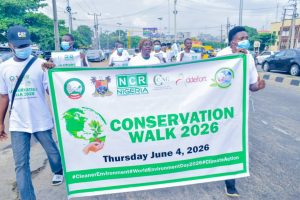
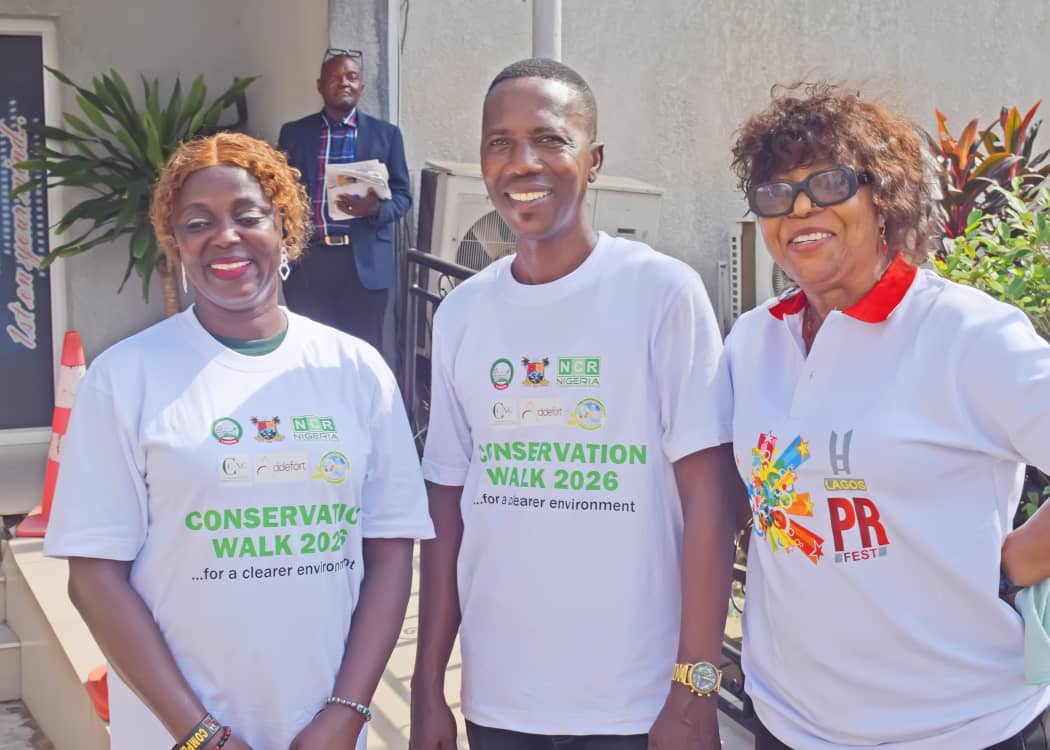
The report follows the successful commemoration of World Environment Day 2026, themed “Climate Action,” through the Conservation Walk and Conference organized by Conservation Communicator-NG.
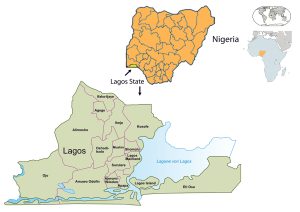
The event was hosted by Addefort Nigeria in collaboration with the Lagos State Environmental Protection Agency (LASEPA), the Lagos State Ministry of Environment and Water Resources, and other local and international stakeholders under the banner of the Nigeria Conservation Race (NCR 2026).
The gathering brought together environmental experts, policymakers, conservation advocates, youth organizations, community leaders, development partners, and members of the public to promote environmental sustainability, raise awareness about climate action, and encourage collective responsibility for environmental protection.
During the conference, participants highlighted climate change as one of the most pressing challenges facing humanity, with far-reaching implications for public health, food security, biodiversity, livelihoods, and economic development. Discussions focused on practical strategies for accelerating climate action, strengthening environmental governance, promoting sustainable lifestyles, and increasing public participation in conservation efforts.
Stakeholders emphasized the need for stronger partnerships across sectors to develop effective climate solutions and safeguard environmental sustainability for future generations. They also stressed that climate action requires active participation from citizens, institutions, and organizations alike.
“The fight against climate change cannot be left to governments alone. Every individual, institution, and organization has a role to play in protecting our environment and securing a sustainable future,” the report stated.
Conservation Communicator-NG expressed appreciation to government agencies, environmental organizations, community groups, volunteers, and partners whose contributions ensured the success of the event. The organization reaffirmed its commitment to advancing environmental communication, conservation advocacy, climate education, biodiversity protection, and sustainable development across Nigeria and beyond.
About Conservation Communicator-NG
Conservation Communicator-NG is a platform dedicated to promoting environmental sustainability, climate awareness, biodiversity conservation, and evidence-based environmental communication. Through research, advocacy, education, and stakeholder engagement, the organization supports informed action toward a sustainable, resilient, and climate-secure future.