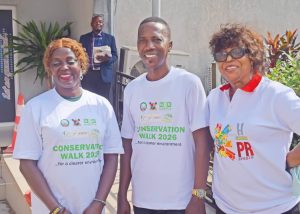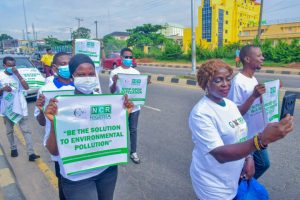
The Federal and state governments have outlined coordinated strategies to address climate change, biodiversity loss, and environmental pollution at the 18th National Council on Environment (NCE) meeting held in Katsina State.
The three-day meeting, organised by the Federal Ministry of Environment and hosted at the Katsina State Secretariat, brought together state commissioners, environmental experts, policymakers, and development partners from across the country.
With the theme “Tackling the Triple Planetary Crises of Climate Change, Biodiversity Loss, and Pollution for Sustainable Development in Nigeria,” the council provided a high-level forum for discussions on strengthening environmental governance and advancing sustainable development nationwide.
Participants examined practical measures to mitigate climate change impacts, conserve biodiversity, and reduce pollution, while emphasising the need for sustained collaboration among federal, state, and local governments.
The Director-General of the National Oil Spill Detection and Response Agency (NOSDRA), Engr. Chukwuemeka Woke, described the meeting as timely and impactful, commending the Federal Ministry of Environment for convening the council. He said the resolutions reached would improve inter-agency collaboration and enhance responses to environmental challenges, particularly in oil spill management and pollution control.
In his remarks, the Minister of Environment, Mallam Balarabe Abbas Lawal, thanked participants and applauded Katsina State for its improved environmental performance, noting its rise from 24th position in 2024 to second place in 2025 among Nigeria’s 36 states. He described the achievement as a reflection of strong leadership in climate governance and environmental management.
Lawal stressed that climate change, biodiversity loss, and pollution are interconnected crises that pose serious threats to Nigeria’s environment, economy, and citizens. He highlighted key federal initiatives, including the Nigerian Energy Transition Plan, the Great Green Wall Programme, the National Policy on Plastic Waste Management, and the National Adaptation Plans, which prioritise clean cooking solutions to curb deforestation and protect the health of women and children in rural communities.
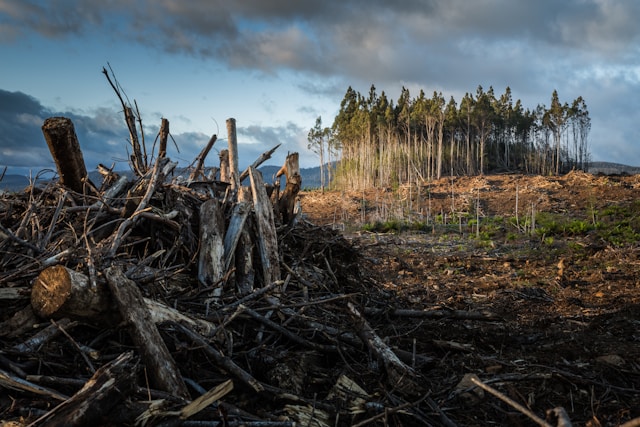
The minister noted that Nigeria faces varying environmental challenges across regions, ranging from desertification in the north and gully erosion in the Middle Belt to coastal erosion and rising sea levels in the south, with some communities already submerged.
He added that government funding alone is inadequate to address these challenges, calling for innovative financing mechanisms such as public-private partnerships, green bonds, climate funds, and voluntary carbon markets. He urged states to explore green bonds and strengthen private-sector participation in environmental projects.
Lawal also called on stakeholders to ensure that deliberations at the council result in practical, measurable, and actionable outcomes, emphasising that environmental protection is critical to public health, economic growth, and sustainable development.
The 18th NCE meeting concluded with renewed commitments from stakeholders to implement policies and strategies aimed at protecting Nigeria’s environment and promoting sustainable development.