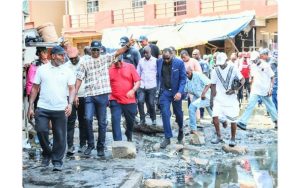
As part of efforts to check open defecation, the Lagos State Government has arrested 46 individuals during a series of early morning enforcement operations across Lagos Island.
Speaking on the development, the Managing Director and Chief Executive Officer of the Lagos State Waste Management Authority (LAWMA), Muyiwa Gbadegesin, said the arrests were made between February 20 and 22, 2026. The coordinated exercise focused on Ebute Ero and adjoining areas including Apongbon, Isale Eko, Marina, CMS, Obalende and Adeniji Adele.
According to Gbadegesin, 20 suspects were apprehended on February 20, 15 on February 21 and 11 on February 22 following intensified surveillance of identified hotspots. All those arrested have been transferred to the headquarters of the Lagos State Environmental Sanitation Corps in Oshodi for further investigation and prosecution in accordance with state environmental regulations.
He explained that the operation is part of the government’s wider campaign to eliminate open defecation, protect public health and enforce sanitation standards throughout the metropolis. He noted that the practice contravenes environmental laws and poses serious health and ecological risks, especially in densely populated commercial districts.
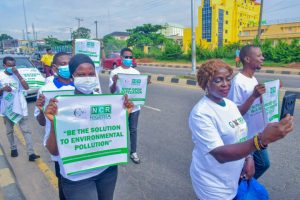
Residents and business operators were urged to make use of approved public toilet facilities and avoid actions that undermine environmental sustainability efforts. Gbadegesin reaffirmed the government’s commitment to sustained monitoring and enforcement, warning that violators would continue to face arrest and prosecution.
Implications for Environmental Sustainability
The renewed crackdown is expected to have notable environmental and public health benefits if consistently implemented.
Sustained action by LAWMA could reduce the spread of sanitation-related illnesses such as cholera and typhoid, which are often linked to poor waste disposal practices. Open defecation has long contributed to environmental contamination and disease outbreaks in crowded urban centres.
Also, tighter monitoring in coastal and lagoon-adjacent communities on Lagos Island could help protect water bodies from human waste pollution. During heavy rainfall, faecal matter can be washed into drainage channels and nearby waterways, endangering aquatic life and residents who rely on these water sources.
Enforcement drive may also enhance the cleanliness and visual appeal of major business districts. Improved sanitation, they argue, can elevate residents’ quality of life and reinforce Lagos’ reputation as a leading commercial hub.
However, enforcement alone may not deliver sustainable results, there is the need of expanding public sanitation infrastructure, ensuring access to affordable toilet facilities and sustaining public awareness campaigns to address the underlying causes of open defecation.
It must be said that the initiative to check open defecation aligns with broader efforts to strengthen compliance with environmental laws, promote sustainable urban living and advance global targets on clean water and sustainable cities. The long-term impact will depend on consistent enforcement and inclusive sanitation planning.