The latest flood warning for Lagos is more than a call for residents to move to higher ground. It is also a reminder of the environmental pressures facing one of Africa’s fastest-growing cities—and an opportunity to recognise the significant efforts being made by the Lagos State Government to manage those risks.
The state government has directed residents in low-lying and flood-prone communities to temporarily relocate to safer, higher ground following a seven-day flood alert issued by the Nigerian Hydrological Services Agency (NiHSA).
The directive is necessary. Lives must be protected, and residents in high-risk areas should take official warnings seriously.
At the same time, the government’s response demonstrates the importance of preparedness, early warning and sustained investment in flood-risk reduction. The state’s monitoring of vulnerable communities, maintenance and cleaning of drainage infrastructure, collaboration with federal agencies and communication of flood warnings are important components of a broader resilience strategy.
The challenge, however, is that flood management in a complex coastal megacity such as Lagos requires both immediate intervention and long-term environmental planning.
Government action matters
The Lagos State Government has continued to implement measures aimed at reducing the impact of flooding across the state. These include drainage maintenance and desilting, monitoring of waterways and vulnerable locations, engagement with communities and coordination with relevant emergency and federal agencies.
The latest directive to residents in flood-prone areas reflects an important shift from responding to flooding after it occurs to encouraging early action before conditions become dangerous.
That approach can save lives.
The advice to relocate early, particularly for communities located near rivers, lagoons, wetlands and drainage channels, is an important public-safety measure. So too is the government’s warning against driving or walking through fast-moving floodwater.
The state government’s continued monitoring of rainfall patterns, river levels and other hydrological developments also provides an important foundation for early-warning and emergency-response systems.
These efforts deserve recognition.
But the scale and complexity of Lagos’ environmental challenges mean that government intervention must continue evolving alongside the city’s rapid growth.
Flooding is more than a drainage problem
Flooding in Lagos is often discussed primarily in terms of blocked drains, inadequate drainage infrastructure or heavy rainfall. These are important factors, but the problem is more complex.
Lagos is a coastal megacity characterised by rivers, lagoons, wetlands and low-lying terrain. These natural systems form part of the city’s environmental infrastructure.
Wetlands, floodplains and natural waterways can provide space for excess water and help regulate water flows. When these ecosystems are degraded or when natural drainage corridors are obstructed, the pressure on engineered drainage systems increases.
This does not diminish the importance of government drainage projects. Rather, it demonstrates why conventional infrastructure and environmental conservation must work together.
A resilient Lagos needs functioning drains and functioning natural ecosystems.
Protecting wetlands strengthens flood resilience
The protection of Lagos’ wetlands and waterways should therefore be viewed as part of the state’s broader flood-management strategy.
These ecosystems have value beyond biodiversity. They can provide natural buffers, absorb or temporarily retain excess water and support ecological functions that contribute to the resilience of surrounding communities.
As Lagos expands, protecting these areas becomes increasingly important.
Government agencies, developers and communities all have roles to play in ensuring that environmentally sensitive areas are not unnecessarily degraded or converted in ways that increase flood exposure.
Strong environmental regulation and enforcement, combined with public awareness and responsible development, can help preserve these natural assets.
Planning for a growing Lagos
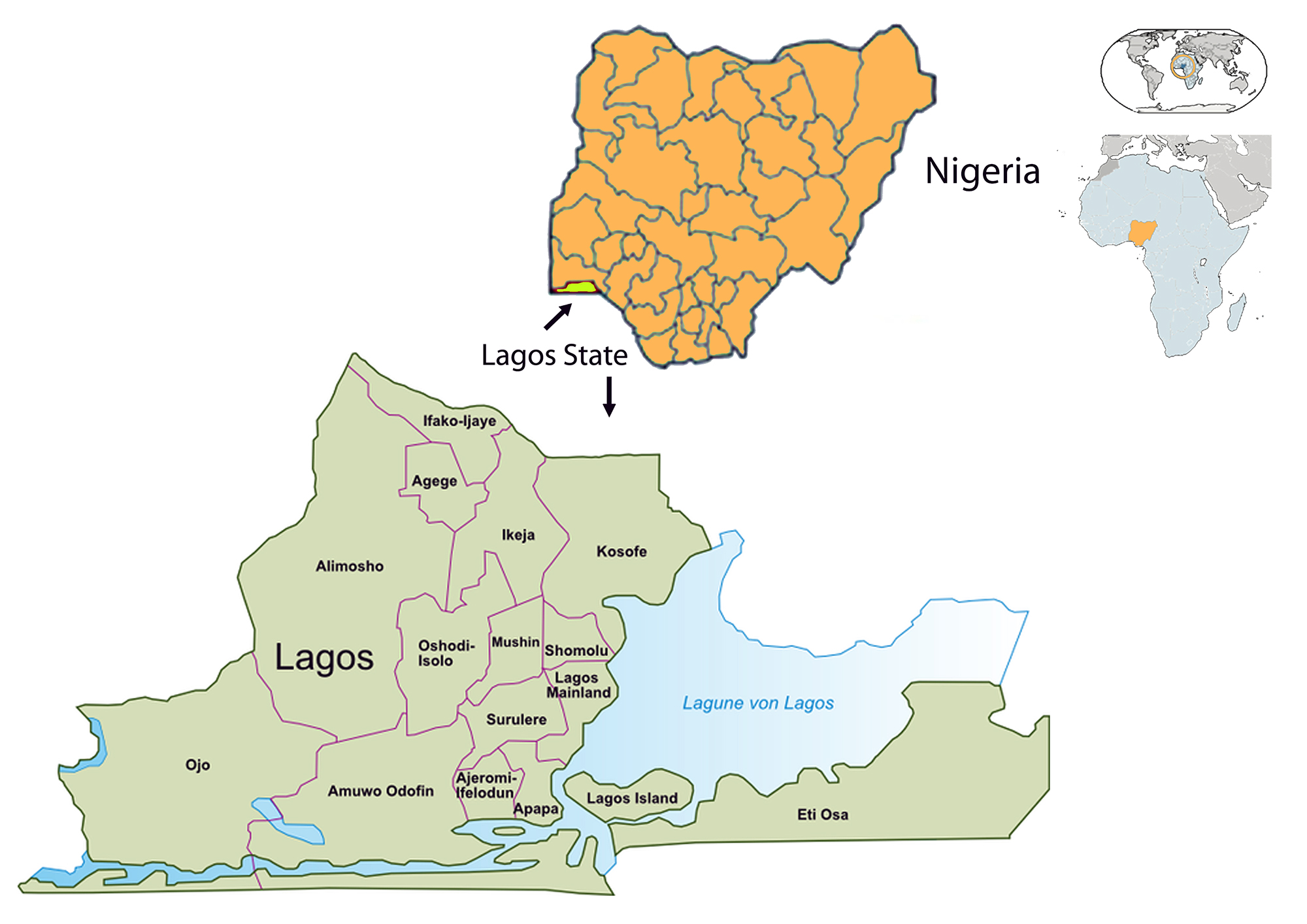
The communities identified in the latest warning—including Isheri North, Kara, Itowolo, Ajegunle, Majidun, Ogolonto and parts of Agboyi—illustrate the relationship between human settlements and the city’s interconnected waterways.
The government’s monitoring and early-warning measures are particularly important in such locations.
At the same time, long-term urban planning must continue to account for flood risk when determining where housing, roads, markets, schools and other critical infrastructure should be located.
This is an area where government leadership remains essential.
Flood-resilient planning can reduce future exposure by protecting drainage corridors, maintaining setbacks from waterways where appropriate, preserving wetlands and incorporating hydrological information into development decisions.
Waste management is part of flood management
The government’s appeal to residents not to dump refuse in drains, canals and waterways is equally important.
Blocked drainage channels can worsen flooding and delay the recession of floodwaters. Tackling this problem requires both responsible behaviour by residents and effective waste-management systems.
Government investment in waste collection, drainage maintenance, public education and enforcement can therefore contribute directly to flood resilience.
Residents also have a responsibility to keep waste out of waterways and drainage channels.
Environmental sustainability works best when government action and community responsibility reinforce each other.
Moving beyond concrete-only solutions
Drainage construction and maintenance remain essential, particularly in a city as densely populated and environmentally complex as Lagos.
However, the next phase of flood management can also incorporate more nature-based approaches.
Permeable surfaces, retention areas, urban trees, green corridors, restored wetlands and other forms of green infrastructure can complement conventional drainage by slowing runoff and creating additional capacity for managing stormwater.
This should not be interpreted as an argument against engineered drainage. Rather, Lagos can strengthen its existing investments by combining grey infrastructure with nature-based solutions.
The goal should be a city in which infrastructure and natural ecosystems work together to manage water.
Preparing for environmental and climate risks
The latest NiHSA alert also reinforces the importance of strengthening Lagos’ climate-resilience planning.
Extreme rainfall, coastal exposure, rapid urbanisation and environmental degradation can interact to increase the consequences of flooding. While individual rainfall events require specific scientific attribution, there is a clear case for ensuring that urban infrastructure and emergency systems are prepared for a range of severe weather conditions.
The state’s emphasis on early warnings and monitoring is therefore important.
These systems can be strengthened further through real-time hydrological monitoring, accessible community alerts, emergency preparedness programmes and closer collaboration between government agencies and communities.
An effective warning system is ultimately one that enables people to understand the risk and act before disaster occurs.
Protecting people and livelihoods
The government’s priority of protecting lives and property is rightly at the centre of its flood response.
Flooding can disrupt schools, healthcare services, transportation, markets, farms and livelihoods. For vulnerable households, the economic consequences can be particularly severe.
This makes flood resilience both an environmental and socioeconomic issue.
Government interventions that reduce flood exposure can therefore deliver benefits beyond emergency management. They can protect livelihoods, reduce infrastructure losses, improve public health and strengthen the long-term sustainability of communities.
A shared responsibility
The scale of Lagos’ flood challenge means that government cannot do it alone.
The state government has a central role in planning, infrastructure, regulation, monitoring, enforcement and emergency response. Federal agencies provide critical hydrological information. Local governments and community leaders help translate warnings into local action. Residents must also play their part by keeping waterways free of waste, complying with safety directives and responding promptly to evacuation warnings.
Partnership is therefore essential.
The latest flood alert should not be seen only as a warning of danger. It is also an opportunity to strengthen the collaboration that already exists between government institutions and communities.
Lagos must continue building with resilience in mind
The Lagos State Government’s ongoing flood-mitigation and environmental-management efforts are important steps in protecting the state’s growing population.
The task now is to build on those efforts.
Emergency evacuation saves lives. Drainage maintenance reduces immediate risk. Monitoring provides early warning. But long-term resilience will also depend on protecting wetlands and waterways, enforcing sound land-use planning, improving waste management, expanding green infrastructure and ensuring that environmental considerations remain central to urban development.
For Lagos, environmental sustainability and urban development should not be treated as competing priorities.
They are increasingly inseparable.
The city has demonstrated that government action can make a difference in managing flood risks. The next challenge is to deepen those efforts by combining infrastructure investment, environmental protection, community participation and climate-resilient planning.
Lagos is a city shaped by water. Its future resilience will depend not on trying to eliminate that reality, but on managing it more intelligently, sustainably and collectively.
The immediate response must protect people from today’s flood. The long-term vision must ensure that tomorrow’s Lagos is better prepared to live safely and sustainably with water.