Despite its status as Africa’s largest economy, Nigeria continues to grapple with a deep electricity access gap. Chronic grid failures and limited transmission infrastructure have left more than 85 million citizens without reliable power, according to the International Energy Agency. Rural communities bear the brunt of this deficit, prompting a nationwide shift toward decentralized renewable energy—particularly solar power.
Across northern and southern states, solar mini-grid projects are transforming communities long disconnected from the national grid. In Yobe State’s Gujba Local Government Area, a 60-kilowatt solar mini-grid installed under the Nigeria Electrification Project now powers hundreds of households and small businesses. Before its installation, residents relied on costly diesel generators and kerosene lamps. Today, welders, grain millers, and shop owners report longer business hours and higher incomes due to steady electricity.
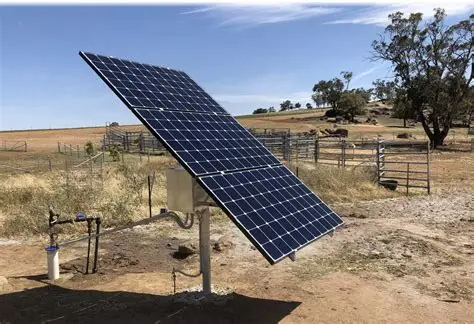
A similar transformation is underway in Bauchi State, where solar-powered irrigation systems have enabled dry-season farming. Farmers in Ganjuwa Local Government Area say access to solar energy has improved crop yields and reduced post-harvest losses through cold storage facilities. Schools and primary health centres connected to solar systems now operate lighting and refrigeration for vaccines, significantly improving essential services.
In Cross River State, coastal communities previously cut off from reliable power have embraced privately operated solar microgrids. In Etomi village near the Cross River National Park, a community-managed solar installation provides lighting, phone charging stations, and electricity for cassava processing machines. Residents say the project has reduced fuel expenses and indoor air pollution caused by petrol generators.
Industry experts describe solar as a “game-changer” for rural development. Beyond environmental benefits, decentralized systems reduce dependence on fossil fuels and offer economic multipliers. According to data from the Rural Electrification Agency, mini-grids deployed under federal programmes have created thousands of direct and indirect jobs while stimulating local enterprises.
Yet scaling these successes nationwide remains challenging. Financing gaps, limited technical capacity, and inconsistent policy implementation continue to slow progress. Although Nigeria adopted the Renewable Energy Master Plan in 2005—revised in 2012—targets for renewable penetration have faced delays. Stakeholders argue that clearer regulatory frameworks and tax incentives for solar equipment are necessary to attract sustained private investment.
Innovative financing models are helping bridge the gap. Pay-as-you-go solar systems, offered by local and international energy companies, allow households to spread payments over time, reducing upfront costs. Development finance institutions, including the World Bank, have also supported off-grid expansion through performance-based grants and concessional loans.
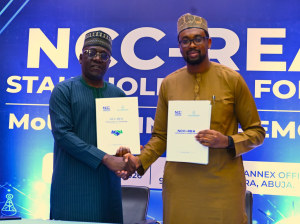
Capacity-building efforts are equally critical. Technical training programmes are equipping young Nigerians with skills to install and maintain solar infrastructure, fostering community ownership and long-term sustainability. Partnerships between federal agencies, state governments, private developers, and local leaders are increasingly viewed as essential for scaling mini-grid networks and integrating renewable energy into agriculture, education, and healthcare systems.
As Nigeria seeks to cut greenhouse gas emissions and expand economic opportunity, solar power is emerging as both a climate solution and a development strategy. While obstacles remain, the case studies from Yobe, Bauchi, and Cross River demonstrate that with sustained investment and policy commitment, renewable energy can illuminate a more equitable future for millions still living in the dark.